
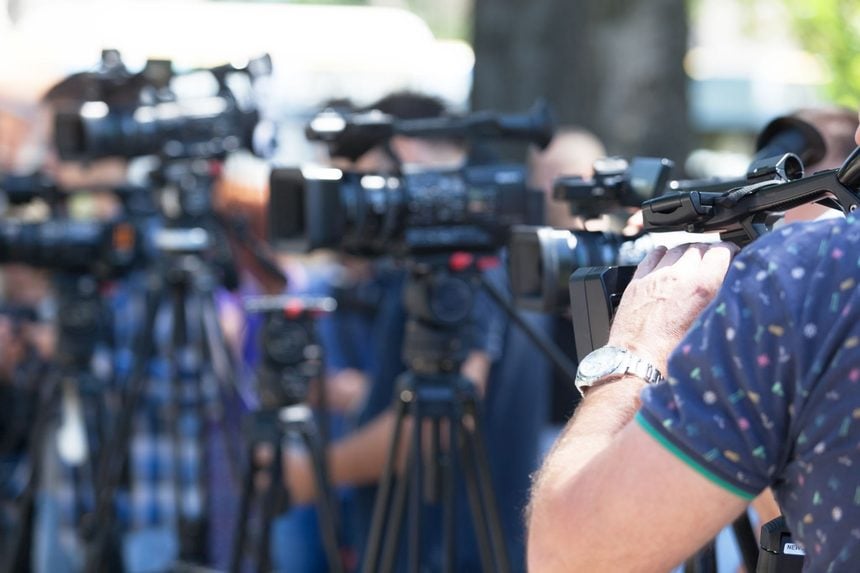
Gathering news on public streets has become an essential part of modern journalism. Whether covering a peaceful protest, a sudden road traffic incident, or a human-interest feature in a local market, journalists rely heavily on visual footage to tell authentic stories that inform the public.
However, stepped-up security presence and visual reporting on public property frequently spark heated confrontations. Reporters, documentary filmmakers, and photojournalists around the globe regularly encounter aggressive security guards, police officers, or private citizens who order them to turn off their cameras or delete recorded video clips on the spot.
Navigating these tense situations requires a solid understanding of both press freedoms and legal boundaries.
Operating with a camera in a public area does not grant unlimited power, but it does carry well-established rights protected by international legal norms and constitutional provisions across democratic nations.
According to global press freedom documentation by organisations like the Committee to Protect Journalists, harassment of media workers often peaks during routine filming in public areas due to widespread misunderstandings about legal privacy expectations.
Many law enforcement agents and property owners wrongly assume that holding a camera in a open street automatically requires a special government permit.
In this article, Tribune Online examines four critical facts every journalist must know about filming in public spaces, along with practical steps to safeguard your equipment, your footage, and your personal safety on the job.
Public spaces carry no reasonable expectation of privacy
The core legal concept governing street journalism rests on the boundary between private property and public sightlines.
When people walk on public sidewalks, attend public rallies, or gather in open parks, they enter an environment where anyone can see them. Under established international media law frameworks, individuals in open public places generally do not possess a legal “reasonable expectation of privacy.”
This principle allows journalists to record general wide shots of public crowds, traffic flows, and outdoor scenes without obtaining individual signed release forms from every passerby visible in the background.
While capturing general public activity is legally sound, reporters must still maintain strict ethical standards regarding how that footage is presented.
Using a clear public shot out of context such as using footage of an innocent pedestrian walking down a street to illustrate a news story about criminal activity can quickly open a media organisation to serious defamation and libel lawsuits.
Filming public officials doing their duty is legally protected
One of the most contentious issues field reporters face is recording law enforcement officers, military personnel, or government agents performing official duties in public.
In most constitutional democracies, citizens and accredited journalists possess an explicit right to film police officers and public officials working in publicly accessible places. Because government workers operate on behalf of the public and draw their authority from the state, their official actions in public spaces remain subject to public observation and journalistic oversight.
However, this legal protection only applies as long as the journalist does not physically interfere with ongoing law enforcement operations. Standing at a safe distance on a public sidewalk to record an arrest is fully protected, but stepping directly between an officer and a suspect can lead to legitimate charges of obstruction or breach of the peace.
ALSO READ: 10 deadly diseases you probably haven’t heard of
Law enforcement cannot force you to delete footage
During heated street encounters, security personnel sometimes seize cameras or demand that a reporter immediately erase recorded videos and photos.
Under constitutional protections against unlawful search and seizure, police officers and private security guards have no legal right to confiscate your memory cards, examine your digital files, or order the deletion of your media without a valid court warrant signed by a judge.
Forcing a journalist to delete news gathering material constitutes illegal destruction of private property and violates international press freedom standards.
If an officer threatens to seize your device or demands that you delete your work, stay polite but firm. Calmly state that the media files represent professional work product and that you cannot voluntarily erase or surrender your equipment without a formal legal order.
Quasi-public spaces and commercial areas have different rules
A frequent mistake young journalists make is confusing privately owned, publicly accessible properties with genuine public land.
Shopping malls, private plazas, corporate office forecourts, transit hubs, and commercial sport stadiums are often open to the general public, but they remain private property under the law.
The legal owners of these spaces maintain full authority to set their own operational rules, which often include strict prohibitions against commercial photography and professional news camera crews.
If a security manager or property owner asks you to stop recording or leave a privately owned shopping plaza, you must comply to avoid criminal trespass charges. You can, however, legally step off the private driveway onto the public sidewalk adjacent to the property line and continue filming from there.
Step-by-Step: How to safely handle confrontations while filming
Navigating an aggressive confrontation on the street demands calm professionalism, clear communication, and smart preparation.
First, always carry valid professional media credentials and display your press identification card clearly when filming news events. If a security agent or official approaches you, introduce yourself immediately, state the media house you represent, and explain in simple, non-confrontational language that you are reporting on a public event from a public space.
Second, practice immediate cloud backup and data protection strategies on your recording devices. Utilise mobile units that automatically sync recorded clips to secure offsite cloud storage in real time, or swap out full memory cards and slip them into a secure pocket so your core footage remains safe even if a camera is damaged or temporarily impounded.
Third, prioritise personal safety above any single piece of video footage. If a crowd or an official becomes physically aggressive, step back from the scene immediately, document the incident from a safe distance if possible, and report the harassment to your editor, media rights organisations, or legal representatives for prompt action.
WATCH TOP VIDEOS FROM NIGERIAN TRIBUNE TV
- Relationship Hangout: Public vs Private Proposals – Which Truly Wins in Love?
- “No” Is a Complete Sentence: Why You Should Stop Feeling Guilty
- Relationship Hangout: Friendship Talk 2025 – How to Be a Good Friend & Big Questions on Friendship
- Police Overpower Armed Robbers in Ibadan After Fierce Struggle


