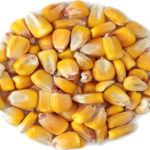
Genetic modification, also known as “genetic engineering,” is a technologically advanced way to select desirable traits in crops. While selective breeding has existed for thousands of years, modern biotechnology is more efficient and effective because seed developers are able to directly modify the genome of the crop.
Plants that are genetically engineered (GE) have been selectively bred and enhanced with genes to withstand common problems that confront farmers. These include strains of wheat that are more resistant to drought, maize that can survive pesticides, and cassava that is biofortified with additional nutrients.
In addition to resistance-based attributes and biofortification, some GM crops can produce higher yields from the same planted area. GM crops have the potential to strengthen farming and food security by granting more certainty against the unpredictable factors of nature. These resistances and higher yields hold great promise for the developing world and for global food security. Yet, controversy remains over access to this biotechnology, corporation patents on certain plant strains, and claims regarding the safety and quality of GM foods as compared to non-GM foods.
Why are seed developers genetically modified organisms?
Genetic modification can protect crops against threats to strong yields, such as diseases, drought, pests, and herbicides used to control weeds, and therefore improve the efficiency of food production. While farmers have been selectively breeding plants for centuries, genetic engineering allows new traits to be developed much more quickly. Utilising traditional selective breeding can take multiple growing seasons to develop and test a new variety. Genetic engineering is more precise than conventional hybridisation and therefore is less likely to produce unexpected results. For example, mutagenic breeding is not considered genetic engineering, yet it exposes plant material to radiation or chemicals to create varieties with new traits.
GMOs seem to be in the news a lot lately. Is the GMO process new?
GMOs are in the news a lot right now, but not because they are new. They have actually been in our food supply for nearly 20 years. Farmers have been using hybridisation and mutation breeding of crops to improve their resistance to pests or environmental conditions for decades. But scientists began to sufficiently understand the genetic makeup of certain plants to be able to modify genes that would strengthen the plants’ ability to resist new pests or diseases and thus improve yields so that farmers began planting GMO crops in the mid-1990s.
What are the effects of genetic modification on the environment?
In order to feed a world population that is expected to top 9 billion by 2050 and to do so in ways that do not harm the environment, farmers will need to roughly double current production levels on about the same amount of land. Genetically modified crops are more efficient and therefore use less agricultural inputs to produce the same amount of food.
From 1996-2012, without GM crops the world would have needed 123 million more hectares of land for equal crop production. GM technology reduced pesticide use by 8.9 per cent in the period from 1996- 2011.
Because genetically modified crops require less ploughing and chemical usage, GM technology can reduce fossil fuel and CO2 emissions. Genetic engineering can therefore help to ameliorate the effects of agriculture on the environment. Farming accounted for 24 percent of global greenhouse gas emissions in 2010 and 70 percent of freshwater use.
Additionally, scientists are developing GM crops that are resistant to flood, drought, and cold, which improves agricultural resistance to climate change. GM crops also allow for greater use of no-till cultivation, which helps with carbon sequestration, soil erosion prevention, and better soil fertility.
How are GM crops related to nutrition and food security?
Genetic modification can improve the nutritional profile of food and therefore serves as a key element in reducing global rates of malnutrition. For instance, golden rice is enhanced with beta-carotene and therefore provides a dose of vitamin A, a nutrient lacking in many diets around the world. Vitamin A deficiency leads to the death of nearly 700,000 children each year, so golden rice is a crucial initiative in reducing malnutrition.
Additionally, in India, using BT corn led to the consumption of more nutritious foods, including fruits, vegetables, and animal products because of increased incomes. Another study in India showed that each hectare of BT cotton increased caloric intake by 74 calories per person per day and that 7.93 per cent of households using BT cotton were food insecure as opposed to 19.94 per cent of those using non-GM cotton.
What is the scientific consensus of the impact of GM foods on humans?
From 2003-13, 1,783 studies showed no human or environmental dangers from genetically engineered crops, with a study concluding that “the scientific research conducted thus far has not detected any significant hazard directly connected with the use of GM crops.” The European Commission released a meta study of 50 research projects and found that “the use of biotechnology and of GE plants per se does not imply higher risks than classical breeding methods or production technologies.” One study in 2013 suggested that consumption of GM foods affected the health of lab animals, but the study’s publication was subsequently pulled and its findings undermined because of digressions from standard scientific research principles.
Why use genetic engineering if other methods are just as effective at boosting productivity?
Genetic engineering research has focused on overcoming problems that affect productivity, such as disease, weeds, and pests. When crops can avoid disease, weeds, and pests, crop yield is enhanced. Genetic modification is only one of the tools that farmers can use to boost productivity, and it does not eliminate the need for other advances such as hybridization, agricultural chemicals, and farm machinery. Rather, genetic modification is a technologically advanced application of biotechnology that works in conjunction with other modern agricultural practices.
•Dr Rose Maxwell Gidado is the Country Coordinator for Open Forum on Agricultural Biotechnology (OFAB).
WATCH TOP VIDEOS FROM NIGERIAN TRIBUNE TV
- Relationship Hangout: Public vs Private Proposals – Which Truly Wins in Love?
- “No” Is a Complete Sentence: Why You Should Stop Feeling Guilty
- Relationship Hangout: Friendship Talk 2025 – How to Be a Good Friend & Big Questions on Friendship
- Police Overpower Armed Robbers in Ibadan After Fierce Struggle