
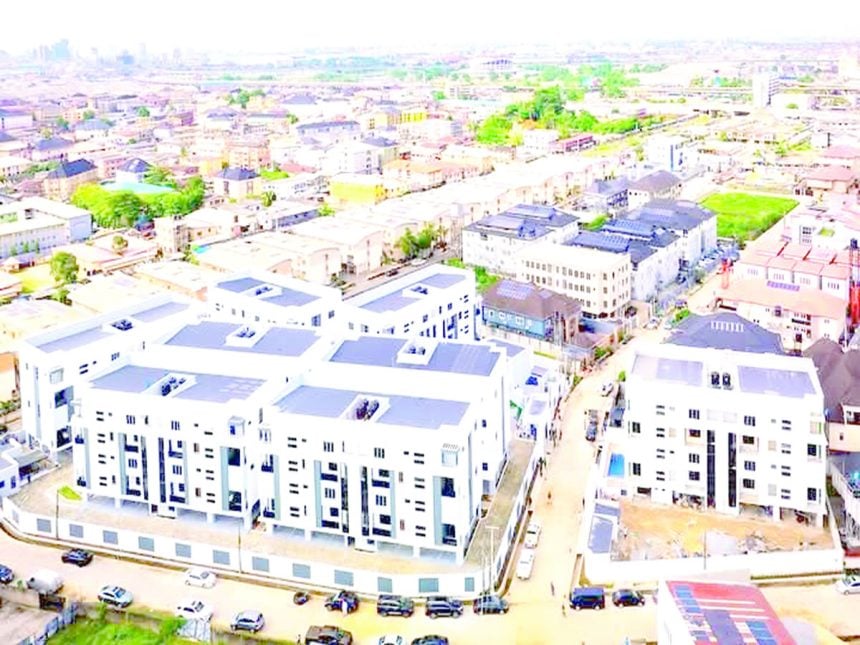
A renowned property developer, Barrister Cecil Ezem Osakwe, has said Nigeria’s real estate sector is entering a pivotal phase, driven by rapid urbanisation, rising housing demand, and expanding economic activity, adding that structural challenges continue to shape how quickly the sector can reach its full potential.
Osakwe said as a real estate developer with experience across international and Nigerian markets, he has seen firsthand how opportunity and complexity coexist in the country’s property landscape.
According to him, urban centers such as Abuja, Lagos, and Port Harcourt are experiencing sustained population growth, fueling demand for residential housing, commercial developments, and integrated urban communities.
ALSO READ: Kogi govt awards contract for 9km dualisation of Airport Road
“Despite this demand, many projects struggle due to gaps in planning, financing, and execution. With my experience, the issue is not a lack of opportunity; it is the need for stronger project structuring, disciplined execution, and long-term thinking. Land acquisition continues to be one of the most sensitive aspects of property development in Nigeria. Developers must navigate complex ownership structures, verify land titles, and comply with regulatory requirements. Failure to conduct proper due diligence often leads to disputes, delays, and financial losses.
“Feasibility studies are equally important. Understanding construction costs, pricing dynamics, and market demand is essential for delivering viable projects. Infrastructure remains one of the most significant determinants of real estate value in Nigeria. In many cases, developers must provide roads, drainage, water systems, and power solutions as part of their projects. While this increases upfront costs, it also enhances long-term asset value. Areas with improved infrastructure tend to attract stronger demand and experience faster growth.
“Regulatory efficiency could also unlock the sector’s growth. The sector faces challenges related to regulatory processes. Multiple approvals, inconsistent enforcement of standards and delays in permitting can
slow down development timelines. These inefficiencies increase costs and reduce investor confidence. A more streamlined and transparent regulatory framework would improve project delivery and attract both local and international investment,” Osakwe said.
He advised developers to focus on integrated community development, strong construction standards, infrastructure-led planning, and alignment with evolving urban needs.
“Real estate development is not a short-term endeavor. Projects that are thoughtfully designed and properly executed tend to deliver the most lasting value,” he added.
WATCH TOP VIDEOS FROM NIGERIAN TRIBUNE TV
- Relationship Hangout: Public vs Private Proposals – Which Truly Wins in Love?
- “No” Is a Complete Sentence: Why You Should Stop Feeling Guilty
- Relationship Hangout: Friendship Talk 2025 – How to Be a Good Friend & Big Questions on Friendship
- Police Overpower Armed Robbers in Ibadan After Fierce Struggle


