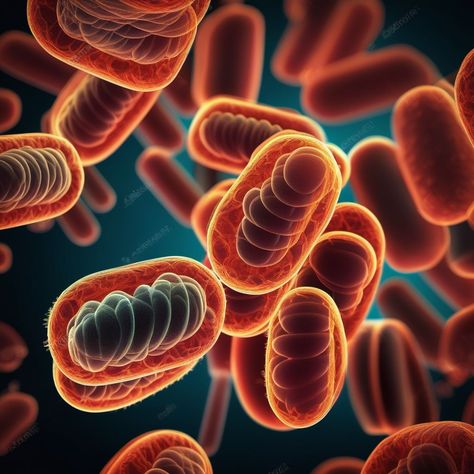
(Escherichia coli) is a bacterium commonly found in the intestines of humans and animals. While most strains are harmless and even beneficial for digestion, some types of E. coli can cause serious infections, particularly when transmitted through contaminated food or water.
E. coli infections can range from mild stomach discomfort to severe complications such as kidney failure. Understanding the key facts about E. coli is crucial for recognizing, treating, and preventing these infections.
These are 10 things to know about E. coli according to the US Centres for Disease Control (CDC), including its symptoms, causes, and how to protect yourself.
E.coli is a Bacterium, Not a Virus
coli (Escherichia coli) is a bacterium, not a virus. Bacteria are single-celled organisms that can survive and grow independently, unlike viruses, which need a host cell to reproduce. While many E. coli strains are harmless and naturally reside in the human gut, others, like O157:H7, can produce toxins that lead to severe illness. Unlike viruses, which cannot survive outside of a host, bacteria can grow and multiply in different environments, including contaminated food and water.
Some Strains of E.coli Are Harmful
Although many E. coli strains are harmless, some are harmful and can cause serious health issues. The most well-known harmful strain is E. coli O157:H7, which produces toxins that can damage the intestines and other organs. These harmful strains are capable of causing foodborne illnesses, including symptoms such as severe stomach cramps, diarrhea (often bloody), vomiting, and fever. In some cases, these infections can lead to complications like kidney failure or even death, especially in vulnerable groups such as young children, the elderly, and those with weakened immune systems.
E.coli Infections Are Often Foodborne
coli infections are commonly contracted through contaminated food, especially undercooked ground beef, raw fruits and vegetables, and unpasteurized dairy products. The bacteria can also spread through contaminated water, making proper food handling and sanitation practices crucial for prevention. Consuming food prepared in unsanitary conditions or without proper washing and cooking can increase the risk of infection. The spread of E. coli is also linked to improper hygiene during food preparation or handling.
Symptoms of E.coli Infection
Symptoms of an E. coli infection typically appear within three to four days after exposure to the bacteria. Common symptoms include severe stomach cramps, diarrhea (which may be bloody), vomiting, and occasionally fever. While many people recover without medical treatment, others may experience dehydration or more serious complications. If symptoms worsen, particularly if there’s blood in the stool or persistent vomiting, it’s important to seek medical care promptly. Early intervention can help prevent further complications, such as kidney failure.
Complications Can Be Severe
In some cases, E. coli infections can lead to severe complications, such as hemolytic uremic syndrome (HUS). HUS is a life-threatening condition that can result in kidney failure, anemia, and low platelet count. Children, the elderly, and those with weakened immune systems are at greater risk of developing HUS. While most people recover from E. coli infections within a week, the risks of complications make it important to seek medical care if symptoms are severe or do not improve.
E.coli is Diagnosed Through Stool Samples
Diagnosing an E. coli infection involves testing a stool sample to identify the presence of the bacteria. Once identified, the specific strain of E. coli can be determined. In severe cases or when complications like kidney damage are suspected, further tests may be needed to monitor kidney function or detect other issues. Prompt diagnosis is crucial for effective treatment and to prevent the infection from spreading to others. Early testing also helps public health authorities track and manage outbreaks.
Treatment of E.coli Infections
Most E. coli infections resolve on their own within five to seven days, and treatment is usually focused on managing symptoms, such as dehydration due to diarrhea and vomiting. Hydration is key to recovery, and people with severe symptoms may need to be treated in a hospital. Antibiotics are generally not recommended for E. coli infections, as they may increase the risk of complications like HUS. In severe cases, blood transfusions or kidney dialysis may be required if kidney failure occurs.
Preventing E.coli Infections
Preventing E. coli infections involves proper hygiene and food safety practices. It’s essential to cook meat thoroughly, especially ground beef, as undercooked meat is a frequent source of contamination. Fruits and vegetables should be washed thoroughly, and hands should be cleaned after handling raw food, using the bathroom, or coming into contact with animals. Drinking water should also be treated in areas with unreliable sanitation. By following these practices, the risk of E. coli infection can be significantly reduced.
E.coli Can Spread Person-to-Person
coli can be transmitted from person to person, especially in environments like households, daycare centers, or healthcare facilities. The bacteria can spread through contact with contaminated surfaces or food prepared by an infected individual. Proper hand hygiene and disinfecting commonly touched surfaces are essential to preventing person-to-person transmission. People with E. coli infections should avoid preparing food for others until they are no longer contagious.
E.coli Outbreaks Can Have Widespread Impact
coli outbreaks can affect large populations and have significant public health implications. The impact is often felt beyond just the individuals who become ill, with entire industries sometimes being affected. For instance, outbreaks can lead to recalls of contaminated food products, public health advisories, and changes in food safety regulations. When an outbreak occurs, health officials trace the source of contamination, often revealing widespread issues in food processing, distribution, or handling that affect multiple states or countries.
ALSO READ FROM NIGERIAN TRIBUNE
US: E.coli outbreak leaves one dead, 38 hospitalised
WATCH TOP VIDEOS FROM NIGERIAN TRIBUNE TV
- Relationship Hangout: Public vs Private Proposals – Which Truly Wins in Love?
- “No” Is a Complete Sentence: Why You Should Stop Feeling Guilty
- Relationship Hangout: Friendship Talk 2025 – How to Be a Good Friend & Big Questions on Friendship
- Police Overpower Armed Robbers in Ibadan After Fierce Struggle