
•Calls for credible reform implementation
The Centre for the Promotion of Private Enterprises (CPPE) has described the rising power sector debt, presently at N4 trillion, as fiscally unsustainable, and therefore called for deeper structural corrections, improved transparency, and, gradual but, credible reform implementation.
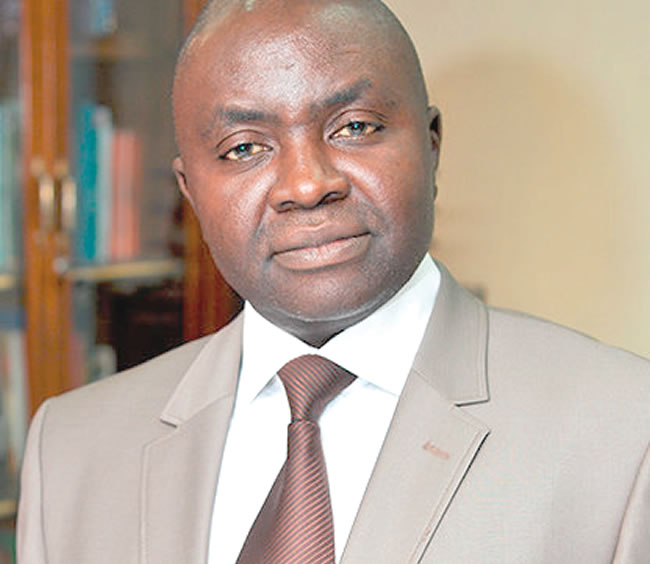
CPPE, in a statement on Sunday, by its Chief Executive Officer, Dr. Muda Yusuf, attributed the rising debt to government’s inability to implement a cost-reflective tariff, due to social and political sensitivities.
The development, the Centre added, had led to subsidy dependence, and widening financing gap in the sector, which, in consequence, had made government’s intervention unavoidable in the short term, to prevent system collapse and sustain electricity supply.
Describing the power sector as one of the most challenging areas of the country’s economic reform agenda, the Centre expressed the regrets that despite multiple reform efforts, over the years, the sector continues to face deep structural, financial, and governance challenges.
“Recent macroeconomic reforms, including foreign exchange unification and fuel subsidy removal, have further complicated the reform environment by heightening cost-of-living pressures and intensifying resistance to tariff adjustments in the power sector,” it added.
Identifying the difficulty of establishing a fully cost-reflective tariff regime as a major constraint to power sector reform, the Centre, however, argued that without cost-reflective pricing, the sector would be unable to generate sufficient liquidity to sustain operations or attract new investment.
It added that the resulting subsidy burden had forced government to repeatedly intervene financially, while effectively transferring inefficiencies and revenue shortfalls onto the public balance sheet.
It also identified structural weaknesses and privatisation challenges, especially concerns about the technical and financial capacity of some private investors, as another obstacle standing in the way of effective power sector in the country.
The Centre therefore argued that, while a rapid transition to full subsidy removal may be politically unrealistic, government should embark on phased and incremental reform.
Describing the current financing model as unsustainable, especially with the sector’s liabilities presently at nearly ₦4 trillion, the organisation stressed the urgent need to ensure that all outstanding claims are properly verified, subjected to rigorous audit and managed transparently and credibly.
It also called for the implementation of
Implement a phased and predictable transition toward cost-reflective pricing, with targeted social protection for vulnerable consumers, among others.
WATCH TOP VIDEOS FROM NIGERIAN TRIBUNE TV
- Relationship Hangout: Public vs Private Proposals – Which Truly Wins in Love?
- “No” Is a Complete Sentence: Why You Should Stop Feeling Guilty
- Relationship Hangout: Friendship Talk 2025 – How to Be a Good Friend & Big Questions on Friendship
- Police Overpower Armed Robbers in Ibadan After Fierce Struggle


