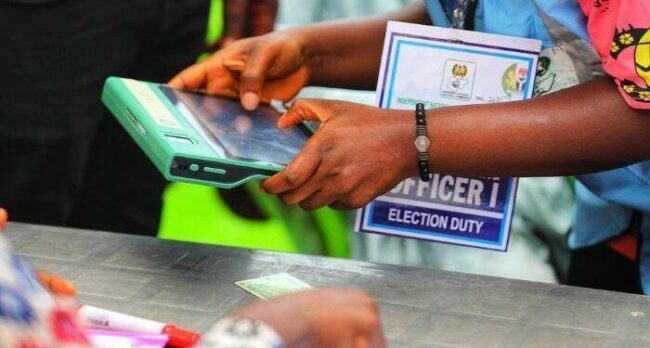
Human rights lawyers have criticised the ongoing disagreement within the National Assembly over the proposed amendment to Clause 60(3) of the Electoral Amendment Bill, describing it as a setback to electoral reform.
The disputed clause seeks to make electronic transmission of election results mandatory — a safeguard advocates argue is critical to closing gaps in Nigeria’s electoral process.
Prominent human rights lawyer, Chief Malachy Ugwunmadu, faulted what he described as the federal government’s failure to provide clarity on an issue central to public confidence in elections.
ALSO READ: My revenue formula bill not about 2027 politics —Karimi
He noted that Nigeria has embraced digital systems in banking and party administration, including electronic registration of members, questioning the reluctance to entrench electronic transmission of results in law.
“Nigerian voters expect prompt electronic transmission of results from polling units,” Ugwunmadu said.
Referring to the 2023 general elections, he described the selective deployment of electronic systems as troubling, noting that while National Assembly results were electronically accessible, the presidential collation process generated widespread controversy.
Ugwunmadu argued that a previous Supreme Court decision, which treated electronic transmission as a procedural guideline rather than a mandatory legal requirement, exposed a loophole that must now be addressed through legislation.
According to him, Nigeria risks falling behind other African democracies that have strengthened transparency in their electoral processes through technology-driven reforms.
Echoing similar concerns, rights advocate Mr Ige Asemudara attributed resistance within the legislature to political self-interest.
He alleged that some lawmakers, having benefited from what he described as flawed electoral processes, lack the incentive to strengthen statutory safeguards.
“The law envisages transmission of results, but the ambiguity surrounding it has made manipulation possible. It must now be made mandatory,” Asemudara said.
Drawing on his involvement in the 2023 election petition tribunals, Asemudara noted that disputes over the IReV portal featured prominently in several cases, underscoring the need for clearer legislative direction.
He warned that continued uncertainty over result transmission could erode public trust, increase post-election litigation and inflate the cost of the democratic process.
Both lawyers urged the National Assembly to prioritise institutional credibility and electoral integrity, warning that failure to enact decisive reforms could undermine confidence ahead of the 2027 general elections.
WATCH TOP VIDEOS FROM NIGERIAN TRIBUNE TV
- Relationship Hangout: Public vs Private Proposals – Which Truly Wins in Love?
- “No” Is a Complete Sentence: Why You Should Stop Feeling Guilty
- Relationship Hangout: Friendship Talk 2025 – How to Be a Good Friend & Big Questions on Friendship
- Police Overpower Armed Robbers in Ibadan After Fierce Struggle