
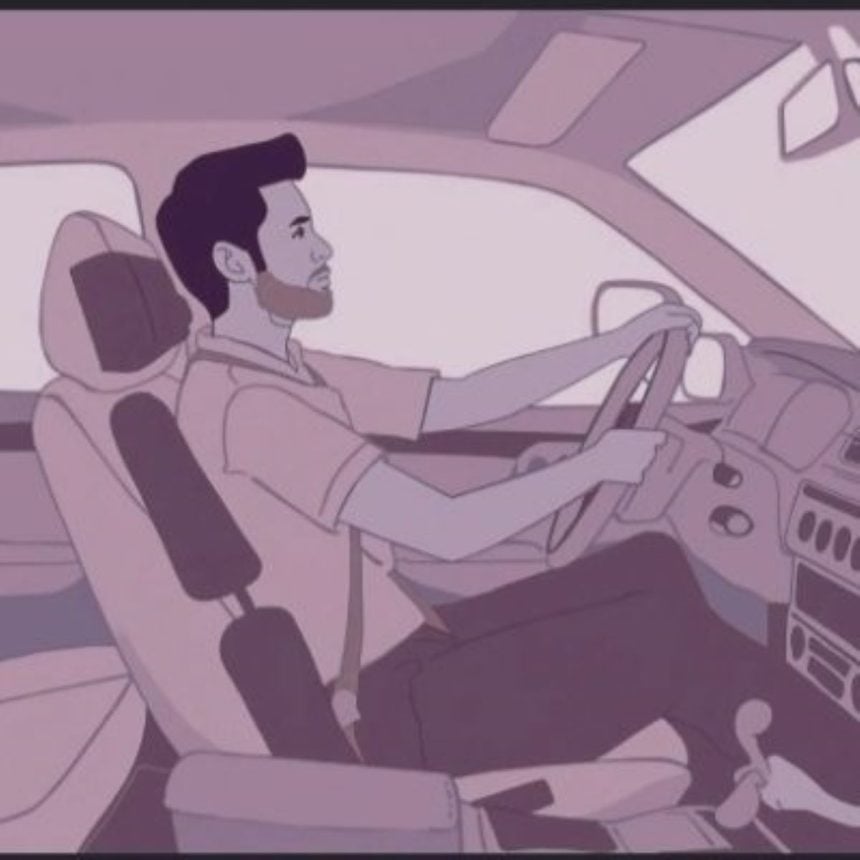
Long hours behind the wheel can take a toll on the back, particularly for motorists who spend hours in traffic every day. Sitting in the same position for extended periods can place strain on the muscles and joints, while poor driving posture can make discomfort worse.
- Set the seat so your back is properly supported
- Support the natural curve of your lower back
- Move the seat close enough to use the controls comfortably
- Keep your knees and hips in a comfortable position
- Adjust the head restraint correctly
- Do not stay in exactly the same position throughout a long journey
- Avoid leaning towards the steering wheel
For Nigerian motorists dealing with long commutes in cities such as Lagos, Abuja, Port Harcourt ,Kano, and so other major cities in the country, adjusting the driving position can make journeys more comfortable and reduce unnecessary strain.There is no single perfect driving position for everyone. The aim is to keep the back supported, maintain good control of the vehicle and avoid remaining in one position for too long.
In this article , Tribune Online explores the posture correction hacks for daily drivers
Set the seat so your back is properly supported
The first step is to adjust the driver’s seat before starting the journey. Your back should rest against the seat rather than leaving a large gap between the lower back and the seat. The seat should provide support around the natural curve of the lower back.
A practical adjustment is to recline the seat slightly rather than sitting completely upright or leaning excessively backwards. The exact angle varies between vehicles and drivers, so the commonly suggested 100-degree angle should not be treated as a universal rule.
What matters most is that the position provides support without making it difficult to reach the steering wheel or pedals.
Support the natural curve of your lower back
Slouching allows the lower back to lose its natural curve and can increase discomfort during prolonged sitting. If your vehicle’s seat does not provide enough lumbar support, a small cushion or rolled towel placed in the lower back area may provide additional support.
The support should not force the back into an exaggerated position. It should simply fill the space around the natural curve of the lower back.
Mayo Clinic also recommends good lower-back support when sitting and notes that a pillow or rolled towel can help maintain the normal curve of the lower back.
ALSO READ: Airport cab drivers’ protest
Move the seat close enough to use the controls comfortably
A driver’s seat should be positioned so the pedals, steering wheel and other essential controls can be reached without excessive stretching. Sitting too far from the steering wheel can encourage the driver to lean forward. Sitting too close can restrict movement and make the driving position uncomfortable.
Adjust the seat so that you can operate the pedals properly while keeping your back against the seat. The steering wheel should also be within comfortable reach without requiring you to hunch forward. A comfortable position is important not only for the back but also for maintaining proper control of the vehicle.
Keep your knees and hips in a comfortable position
The position of the legs can also affect comfort during long journeys. Avoid positioning the seat so that your knees are excessively cramped against the dashboard or steering column. At the same time, avoid sitting so far back that you have to stretch your legs to reach the pedals.
Mayo Clinic recommends keeping the knees and hips at a comfortable, relatively level position when sitting and changing position regularly.
Adjust the head restraint correctly
The head restraint is not simply a comfort feature. It is an important part of vehicle safety.
A properly positioned head restraint limits excessive movement of the head and neck during a collision, particularly in a rear-end impact. The head restraints positioned higher and closer to the occupant’s head can better control rapid head and neck movement and reduce the potential for whiplash. Drivers should therefore adjust the head restraint according to the vehicle manufacturer’s instructions rather than leaving it at its lowest position.
Do not stay in exactly the same position throughout a long journey
Even a well-adjusted seat cannot eliminate the effects of sitting for hours without movement.
During long journeys, take safe opportunities to change position. If you are travelling a considerable distance, stop at an appropriate and safe location, get out of the vehicle and walk around briefly.
Changing sitting position regularly and notes that prolonged sitting can contribute to back problems. For Nigerian commuters who spend hours in traffic, small changes in posture can also help to prevent the body from becoming fixed in one uncomfortable position.
Avoid leaning towards the steering wheel
A common mistake during long drives is gradually leaning forward towards the steering wheel. This can happen when a driver becomes tired or when the seat has been positioned too far from the controls.
Over time, the shoulders may round forward and the lower back may lose its support. Before moving off, adjust the seat so that you can comfortably reach the steering wheel while keeping your back supported.
If you notice yourself repeatedly leaning forward during a journey, reassess the seat and steering-wheel position when it is safe to do so. Do not use pain as your normal driving position
Some motorists continue driving for hours despite persistent lower-back pain and simply change their sitting position to find temporary relief.
WATCH TOP VIDEOS FROM NIGERIAN TRIBUNE TV
- Relationship Hangout: Public vs Private Proposals – Which Truly Wins in Love?
- “No” Is a Complete Sentence: Why You Should Stop Feeling Guilty
- Relationship Hangout: Friendship Talk 2025 – How to Be a Good Friend & Big Questions on Friendship
- Police Overpower Armed Robbers in Ibadan After Fierce Struggle


