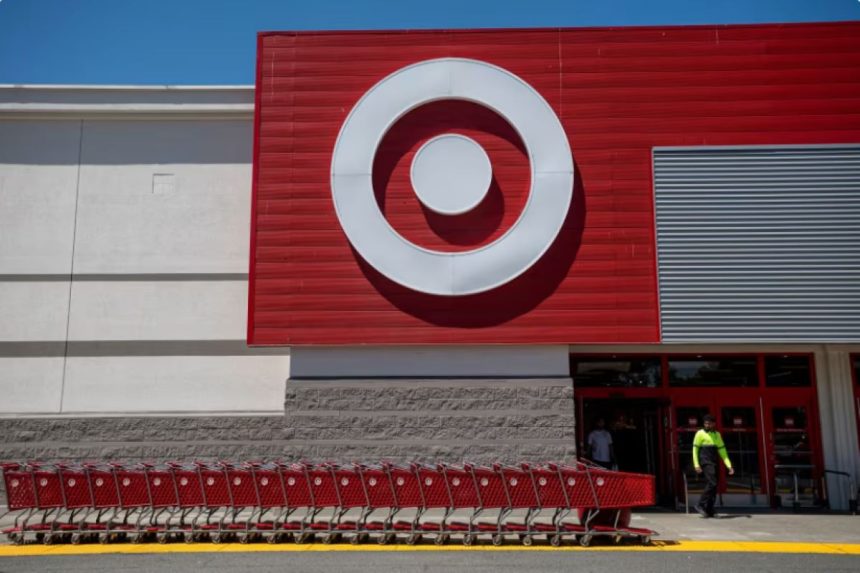
Target CEO Brian Cornell is stepping down after 11 years leading the retailer, as the company struggles with falling sales and pressure over its decision to scale back diversity, equity and inclusion (DEI) programmes.
Cornell’s exit had been expected. Some analysts argued Target needed an outsider to bring fresh direction, but the board chose to promote from within. Michael Fiddelke, the current chief operating officer who began at Target as an intern 20 years ago, will take over on February 1, 2026. Cornell will remain as executive chairman.
Since taking charge in 2014, Cornell is credited with reshaping the company. He pushed through store remodels and expanded Target’s online business to compete with Amazon. The company also enjoyed strong growth during the pandemic as shoppers stocked up on essentials and home goods.
But Target has since slipped. Customers have cut back on clothing and home goods, while competitors such as Walmart, Amazon and Costco gained ground. Target reported its third straight quarterly sales drop this week, with shares down 10% in premarket trading. Its stock is among the weakest in the S&P 500 this year.
Some analysts criticised the decision to appoint Fiddelke. “This an internal appointment that does not necessarily remedy the problems of entrenched groupthink and the inward-looking mindset that have plagued Target for years,” Neil Saunders, an analyst at GlobalData Retail, wrote to clients. “Target, which used to be very attuned to consumer demand, has lost its grip on delivering for the American shopper.”
The last three years have been difficult for Target, but 2025 has been especially challenging. Earlier this year, the company ended several DEI initiatives, a move that drew criticism from diversity advocates and even members of the founding Dayton family, who called the decision “a betrayal.” Target acknowledged the change hurt sales.
The company was more exposed to criticism than some rivals because DEI was a core part of its business strategy, and its customer base leaned more progressive.
Other challenges have come from tariffs and slowing consumer spending. Target sells more discretionary goods than Walmart, which gets about half its sales from groceries. With shoppers focused more on food and household basics, Target has struggled.
Bank of America analyst Robert Ohmes noted that Target imports about half its products, compared to about one-third at Walmart. That means it has to raise prices almost twice as much as Walmart to cover tariff costs. “Target’s long-term outlook is deteriorating,” he said. “Target is falling behind peers and has tougher challenges.”
Cornell’s tenure included major highs. In 2018, Target reported its strongest results in a decade, and a year later, Cornell was named CNN Business’ CEO of the Year.
But starting in 2022, problems grew. Target overstocked merchandise as inflation cut into consumer spending. The following year, the company faced backlash over Pride Month merchandise. Some items, such as swimsuits designed for transgender people, sparked online criticism and threats against staff. Although misinformation claimed they were marketed to children, Target removed some products from stores. The controversy hurt sales and led to lawsuits from Republican-aligned groups.
Cornell leaves with a legacy of both revival and decline, handing over to Fiddelke at a time when Target is under pressure to reconnect with customers and steady its business.
ALSO READ TOP STORIES FROM NIGERIAN TRIBUNE
WATCH TOP VIDEOS FROM NIGERIAN TRIBUNE TV
- Relationship Hangout: Public vs Private Proposals – Which Truly Wins in Love?
- “No” Is a Complete Sentence: Why You Should Stop Feeling Guilty
- Relationship Hangout: Friendship Talk 2025 – How to Be a Good Friend & Big Questions on Friendship
- Police Overpower Armed Robbers in Ibadan After Fierce Struggle