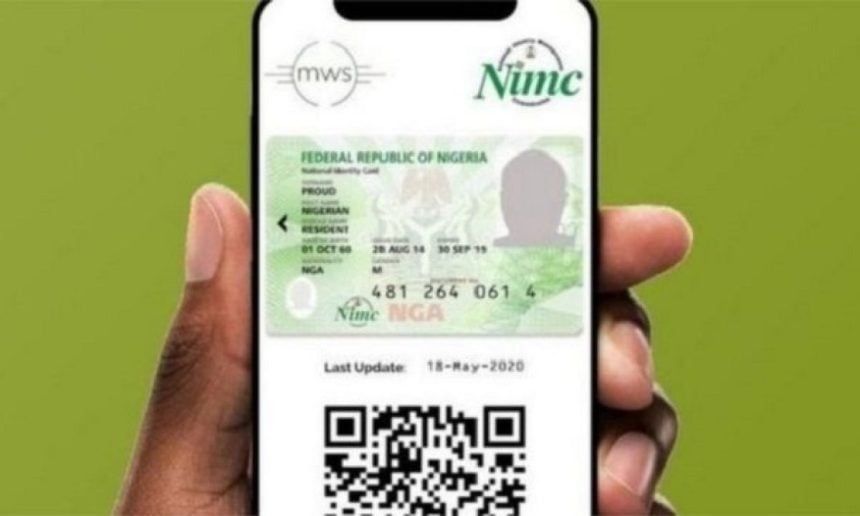
The federal government has officially accelerated its transition toward a fully tokenized digital economy, making the adoption of the virtual identity verification system an immediate priority for all citizens.
Following the recent enactment of the groundbreaking National Identity Management Commission (NIMC) Act 2026 signed by President Bola Ahmed Tinubu, traditional methods of flashing raw 11-digit National Identification Numbers (NIN) are being rapidly phased out.
To protect personal data from rampant identity theft and commercial exploitation, every corporate and public institution across Nigeria is shifting toward a highly secure, encrypted verification standard that requires citizens to generate localized digital tokens instantly.
Essentials you need immediately
To secure your identity and switch to the updated verification standard, you do not need to wait for a physical plastic card. Nigeria’s identity management framework now heavily prioritizes encrypted, temporary digital footprints over raw data exposure.
To complete this process from the comfort of your home, you only need three essential items, Your 11-digit National Identification Number (NIN), The exact phone number you used during your initial NIN enrollment (required to receive a secure One-Time Password) and a smartphone with an active internet connection to download the official mobile application.
In this article, Tribune Online examines the critical security shift in Nigeria’s identity management ecosystem and provides a direct, comprehensive guide to generating your virtual security token.
Why the Virtual NIMC token is formally compulsory
The National Identity Management Commission (NIMC) developed the Virtual NIN (vNIN) system specifically to address growing data privacy vulnerabilities across the country.
According to official infrastructure documentation on the National Identity Management Commission Website, tokenisation replaces your raw 11-digit NIN with a temporary, 16-character alphanumeric code during routine merchant verifications.
This strict structural change prevents unauthorised businesses, banks, and telecom agents from permanently storing, copying, or potentially misusing your core biometric identifier.
Furthermore, these digital tokens offer specialized data security benefits that traditional slips simply cannot provide.
Every generated token is uniquely tied to the specific enterprise verifying your identity, meaning a code generated for a bank cannot be intercepted or reused by a telecom vendor. Because these virtual tokens automatically expire exactly 72 hours after generation, the risk of long-term identity theft is effectively neutralized across public and private sector platforms.
ALSO READ: INEC extends voter registration to July 24
Step-by-step: How to download and generate your token
Transitioning to the virtual framework takes less than five minutes if you follow the official mobile pipeline. Ensure you are utilizing the updated software version to prevent synchronization errors during the security handshake.
Download the Official App
Open your device’s official app store and search for the MWS: NIMC Personal ID application. Download and install the software exclusively from trusted marketplaces to safeguard your phone against malicious, third-party APK files.
Authenticate your account
Launch the app and enter your 11-digit National Identification Number when prompted. The system will automatically transmit a secure One-Time Password (OTP) via SMS to the phone number linked to your registration database to verify your ownership.
Set up your security PIN
Input the received OTP to unlock the application dashboard, then create a custom 4-digit numeric PIN. This password acts as your local security gatekeeper and must be entered every single time you launch the app in the future.
Generate the Virtual Token
Tap the ‘Get Virtual NIN’ icon located directly on the home interface dashboard. Click the ‘+’ button at the bottom right corner, and either scan the merchant’s corporate QR code or manually type in their verified Enterprise ID to produce your secure 16-character token.
Understanding the legal and infrastructure shift
The baseline framework governing identity management in Nigeria underwent a massive overhaul to support this digital push.
According to administrative policy reports detailing the statutory reforms of the newly signed NIMC Act 2026, the legislative update formally establishes the commission as the root public key infrastructure certification authority.
This mandate forces corporate entities nationwide to adapt their systems to accept tokenized profiles instead of demanding raw biometric data.
Ultimately, carrying a physical polycarbonate identity card is no longer a strict necessity for daily transactions in Nigeria. The federal digital roadmap treats the virtual token and the improved QR-coded slip as fully valid, legally binding instruments of state identity.
Adopting this virtual service immediately ensures you remain compliant with modern security standards while retaining absolute control over your personal data footprint.
WATCH TOP VIDEOS FROM NIGERIAN TRIBUNE TV
- Relationship Hangout: Public vs Private Proposals – Which Truly Wins in Love?
- “No” Is a Complete Sentence: Why You Should Stop Feeling Guilty
- Relationship Hangout: Friendship Talk 2025 – How to Be a Good Friend & Big Questions on Friendship
- Police Overpower Armed Robbers in Ibadan After Fierce Struggle