
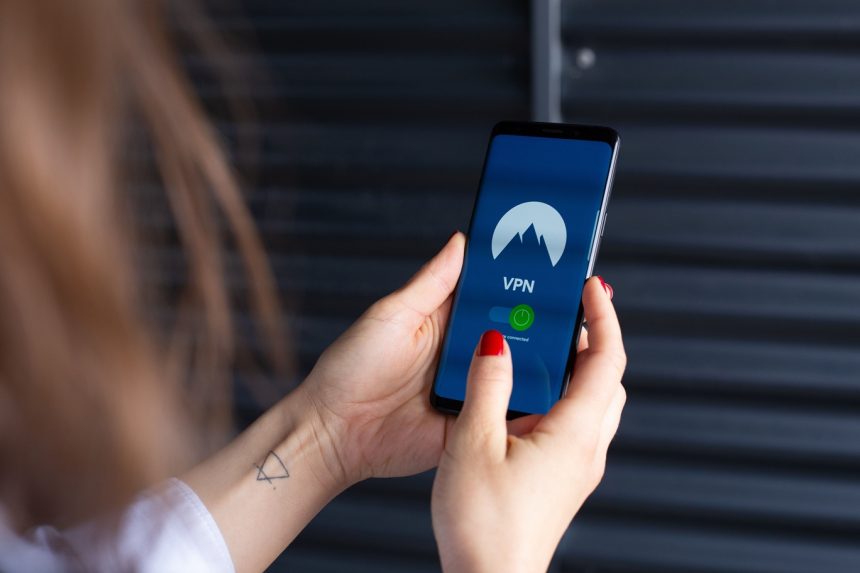
A VPN changes the IP address that websites see, but an IP address is only one part of an online session. Switching to a server in another country does not automatically make a familiar browser, device or account appear completely new.
That is why a website may remember a login, restore previous preferences or recognize a returning device even after the visible IP changes. The site can still use other information linked to the browser, device or account. In practice, four common signals are cookies, account logins, browser fingerprinting and IP classification.
Cookies Connect Old and New Sessions
Cookies are one of the simplest ways for a website to recognize a returning browser. They can store login sessions, preferences and identifiers that remain in the browser even after the public IP address changes. A returning visit may still carry information such as:
- Login or authentication cookies.
- Saved site preferences.
- Persistent browser identifiers.
- Shopping-cart or session data.
A user might visit a website normally and then return after connecting to a VPN server in another country. The IP is different, but the browser can still send a cookie created during the earlier visit, allowing the website to connect the two sessions.
A VPN does not completely clear cookies because it manages network traffic rather than browser storage. A user visiting yep casino, an online store or another account-based service through an encrypted access may therefore still have existing session data saved in the browser.
Cookie behavior also depends on the browser and the site’s own settings. Some of them expire when the session ends, while others can remain for days or months unless they are deleted or blocked. This is why cookie-based recognition might persist long after the original visit and continue working independently of the VPN connection.
Logging Into an Account Identifies the User
Sometimes no advanced tracking is needed. Logging into an existing account directly connects the current session to the registered profile.
An email service, streaming platform or marketplace does not forget an account simply because the connection now comes through a VPN. What may change is how the connection is assessed. If an account suddenly connects from an IP associated with another country, the platform may trigger an alert or additional verification.
This does not mean the VPN has exposed the original IP address. The website knows which account is being used because the user has identified themselves by signing in.
Browser Fingerprinting Can Recognize a Device
Removing cookies does not necessarily make every visit look unrelated. Some websites, analytics providers and anti-fraud systems can examine combinations of browser and device characteristics. Relevant signals are:
- Browser and operating system information.
- Screen resolution.
- Language and time-zone settings.
- Graphics rendering characteristics.
- Certain hardware or browser capabilities.
One detail is rarely enough to identify a user. The value comes from combining several characteristics into a browser or device fingerprint. A different VPN server does not normally change these browser properties. The visible IP may point to a different country, while the device continues to present many of the same technical signals.
Fingerprinting is not perfect. Browser updates, privacy protections and device changes can make fingerprints less stable, so it is better viewed as another recognition signal rather than guaranteed identification.
VPN IP Addresses Can Be Recognized
A website does not need to discover the original IP address to identify a connection coming from known privacy infrastructure. Commercial providers often use server ranges shared by many customers, and security or anti-fraud systems can classify addresses associated with VPNs, proxies, hosting providers and data centres.
A platform may therefore recognize the type of network being used without knowing where the user normally connects from. This distinction matters because detecting a privacy service is not the same as identifying the individual behind it.
A service may recognize an account through login details, connect sessions through cookies and separately classify the current IP as belonging to a known server range. All of this can happen without exposing the user’s original public IP.
What a VPN Actually Changes
The service primarily changes the network path between the user and the internet. Traffic is encrypted between the device and the selected server, while destination websites see that server’s public IP instead of the one normally associated with the user’s connection.
This does not erase browser storage, sign users out of accounts, reset device characteristics or stop websites from recognizing returning users.
The key distinction is between IP privacy and online anonymity. Changing the visible network address can limit what a website learns from the connection itself, while cookies, account logins and device signals may still link current activity to earlier visits.
WATCH TOP VIDEOS FROM NIGERIAN TRIBUNE TV
- Relationship Hangout: Public vs Private Proposals – Which Truly Wins in Love?
- “No” Is a Complete Sentence: Why You Should Stop Feeling Guilty
- Relationship Hangout: Friendship Talk 2025 – How to Be a Good Friend & Big Questions on Friendship
- Police Overpower Armed Robbers in Ibadan After Fierce Struggle


