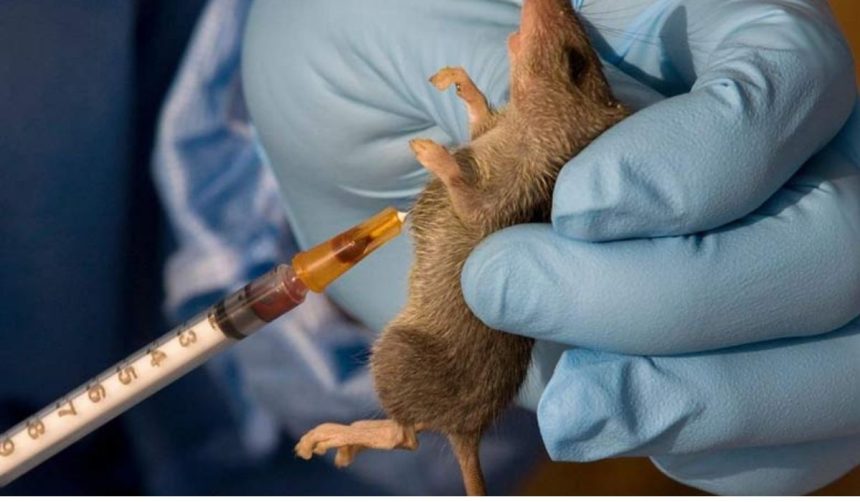
A new Lassa fever vaccine, rVSVΔG-LASV-GPC, has been developed with 100% efficacy in nonhuman primates and other models.
In a new study, researchers reported in The New England Journal of Medicine that the vaccine is safe, well-tolerated, and fully protective from the lethal Lassa fever in healthy adults in both the United States and Liberia.
The study indicated that a single dose of the vaccine is safe, well-tolerated, and fully protective from common Lassa fever infection, including those predominant in Liberia, Sierra Leone, and Nigeria, supporting its continued development as a potential Lassa fever vaccine.
This breakthrough brings renewed hope in the fight against Lassa fever, a disease that continues to cause thousands of deaths each year in West Africa and currently has no approved vaccine.
The Lassa fever vaccine is similar to the ERVEBO vaccine, which is approved for Ebola virus disease and has been administered in over 300,000 doses during Ebola outbreaks.
In this phase 1, double-blind trial conducted in the United States and Liberia, researchers studied the safety and side effects of the vaccine developed at the Public Health Agency of Canada in 114 healthy adults aged 18 to 50 years, with 53 in the US and 61 in Liberia.
Participants were randomly assigned to receive either a single dose of the vaccine at various concentrations or the placebo.
The trial was from July 2021 through December 2023. Participants were followed for 12 months after the first administration of vaccine or placebo. They were also assessed for sensorineural hearing loss. Hearing acuity was measured before and after the injection.
Blood, urine, and saliva samples were obtained before the first injection and on days 4, 8, 15, and 29 for safety and immunogenicity assessments.
No hearing loss, serious vaccine-related adverse events, or withdrawals due to adverse events were reported. The vaccine had protection against common strains of Lassa fever over a wide dose range in healthy adults in the United States and Liberia.
A second dose of the vaccine did not provide any appreciable additional benefit to boosting immune responses against common strains of Lassa fever.
Despite some differences in response magnitudes between U.S. and Liberian cohorts, potentially due to environmental factors or preexisting immunity, the vaccine’s overall performance was promising.
A phase 2 trial is currently underway to confirm these findings, expand the safety profile, and further assess the Lassa fever vaccine in Lassa fever-exposed populations.
WATCH TOP VIDEOS FROM NIGERIAN TRIBUNE TV
- Relationship Hangout: Public vs Private Proposals – Which Truly Wins in Love?
- “No” Is a Complete Sentence: Why You Should Stop Feeling Guilty
- Relationship Hangout: Friendship Talk 2025 – How to Be a Good Friend & Big Questions on Friendship
- Police Overpower Armed Robbers in Ibadan After Fierce Struggle