
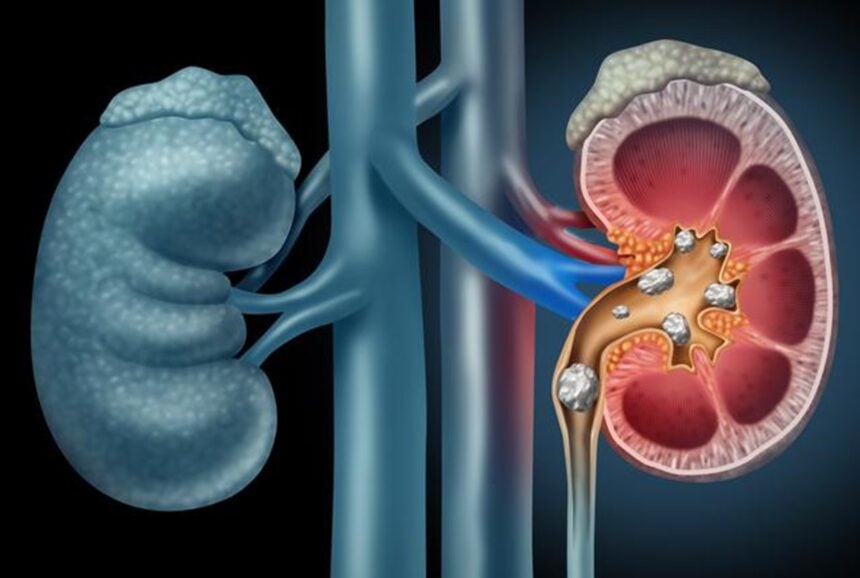
The Oyo State Chairman of the Institute of Dietetics in Nigeria (IDN), Mr Tunde Ajobo, has expressed concern over the rising prevalence of kidney-related diseases in Nigeria, attributing this trend to unhealthy lifestyles, low public awareness, and environmental factors.
Speaking at a seminar held at Jericho Specialist Hospital in Ibadan to mark World Registered Dietitian/Nutritionist Day and World Kidney Day 2026, Ajobo stated that many Nigerians only become aware of the importance of their kidneys when complications arise.
“Human beings need only one kidney to survive, but when that kidney fails, the consequences can be devastating,” he said.
He explained that the kidneys perform vital functions, including filtering waste, regulating body fluids, and maintaining internal balance; however, their role is often underestimated.
“The kidney works silently; people hardly notice its function until something goes wrong,” Ajobo added.
Ajobo linked the rising cases of kidney disease, particularly among young people, to modern lifestyle factors such as unhealthy eating habits, physical inactivity, stress, and environmental pollution.
He noted that excessive consumption of processed foods, inadequate hydration, and sedentary lifestyles also significantly increase the risk of kidney damage.
READ ALSO: Malnutrition, leading cause of death among children with epilepsy —Expert
He also pointed to a seasonal increase in kidney-related cases, particularly during the hotter months.
“Between January and March, we observe a surge in kidney failure cases due to dehydration,” he explained, adding that the loss of body fluids without proper replacement can strain kidney function.
Highlighting the economic implications, Ajobo noted that the cost of managing kidney failure through treatments such as dialysis and transplantation is beyond the reach of many Nigerians.
“Many families cannot cope with the cost of managing kidney failure,” he said, adding that the condition often leads to a reduced quality of life.
According to him, most kidney diseases can be prevented through simple measures such as adequate water intake, a balanced diet, regular medical check-ups, and monitoring of blood pressure and blood sugar levels.
He called for increased public education and awareness about kidney health, emphasising that early detection is crucial for preventing severe complications.
Ajobo also highlighted environmental factors, warning that pollution and unsafe practices, including the contamination of water sources, could increase kidney health risks.
He urged both individuals and policymakers to prioritise preventive healthcare and promote healthier lifestyles to reduce the growing burden of kidney disease in the country.
“Prevention is not just a matter of medicine; it is a social responsibility for the health of present and future generations,” he said.
WATCH TOP VIDEOS FROM NIGERIAN TRIBUNE TV
- Relationship Hangout: Public vs Private Proposals – Which Truly Wins in Love?
- “No” Is a Complete Sentence: Why You Should Stop Feeling Guilty
- Relationship Hangout: Friendship Talk 2025 – How to Be a Good Friend & Big Questions on Friendship
- Police Overpower Armed Robbers in Ibadan After Fierce Struggle


