
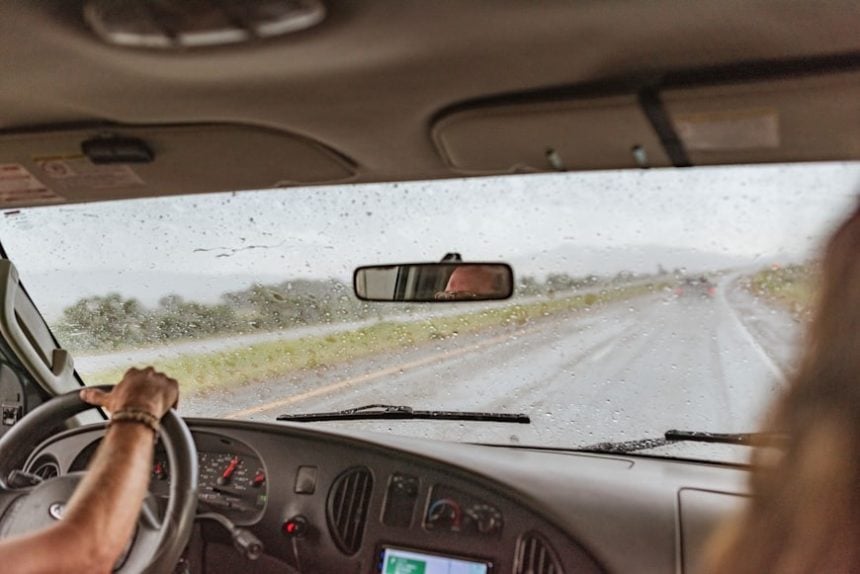
Properly functioning wiper blades and defoggers are critical for maintaining clear visibility during rain. It is important to replace your wiper blades every 6-12 months, a good rule of thumb is to replace them whenever you change your engine oil.
Meanwhile, driving through Lagos during the rainy season demands more than caution, it requires a vehicle that is properly prepared for wet-weather conditions.
As Lagos is known for heavy downpours, flooded roads, reduced visibility, and long hours in traffic places additional pressure on every part of a vehicle, particularly those responsible for keeping the driver’s view clear. Two of the most important yet frequently overlooked components are the wiper blades and the defogger.
For motorists focused on surviving Lagos Island floods and car maintenance, paying attention to these systems can significantly improve safety and reduce the likelihood of accidents. According to the Punch, the Federal Road Safety Corps (FRSC) advises drivers to ensure their vehicles are roadworthy before travelling, especially during adverse weather conditions when visibility and road grip are greatly reduced.
Why clear visibility is critical during heavy rain fall
Rainfall reduces visibility within seconds. Therefore, water on the windscreen, mist forming inside the vehicle, and spray from passing vehicles can make it difficult to see traffic signals, pedestrians, motorcycles, and potholes. Driving in these conditions without effective visibility equipment greatly increases the risk of collisions.
In the said report, the FRSC stressed that motorists should inspect visibility-related components, including wiper blades, headlights, mirrors, and windscreens, before driving in rainy weather. Maintaining a clear field of vision allows drivers to respond more quickly to changing road conditions and unexpected hazards.
Replace worn wiper blades before rainy season peaks
Wiper blades naturally deteriorate over time due to constant exposure to sunlight, dust, heat, and changing weather. As the rubber hardens or cracks, the blades become less effective at removing water from the windscreen. Instead of clearing rain efficiently, they may leave streaks, skip across the glass, or produce distracting noise.
As a driver, you should inspect the rubber edges regularly and replace the blades if possible within every 6-12 months, whether they show signs of wear or fail to clean the windscreen properly. Automotive maintenance experts generally recommend replacing wiper blades every six to twelve months, depending on usage and environmental conditions.
In no doubt, installing quality replacement blades before the heaviest rains begin can make a noticeable difference in driving safety.
ALSO READ: Trump says ceasefire with Iran is over
Ensure defoggers works properly
Visibility problems are not limited to the outside of the vehicle. During periods of high humidity and rainfall, condensation often forms on the inside of the windscreen, making it difficult to see the road ahead.
A properly functioning front and rear defogger removes moisture by directing warm or dry air across the glass. You should test the system before the rainy season and address any ventilation or heating faults that reduce its effectiveness.
Keeping the cabin air filter clean and ensuring the ventilation system operates correctly also helps prevent excessive fogging during long journeys.
Inspect windscreen and washer system
It is necessary to inspect the windscreen and washer system even with new wiper blades, visibility can still be affected by a damaged windscreen. Small chips, scratches, and cracks scatter light during rainfall and at night, making it more difficult to judge distances and identify hazards.
As a driver or car owner, you should repair minor damage promptly before it develops into larger structural cracks. Windscreens should also be cleaned regularly on both the inside and outside to remove dirt, grease, and road film.
Equally important is the windshield washer system. A full washer fluid reservoir and unclogged spray nozzles help remove mud, oil, and debris that accumulate during wet-weather driving.
Don’t overlook other wet-weather safety checks
Motorists concentrating on surviving Lagos Island floods and car maintenance should remember that visibility is only one aspect of vehicle safety. Tyres should have adequate tread depth to maintain grip on wet roads, while brakes, headlights, brake lights, and turn signals should all be inspected before extended travel.
The FRSC also advises drivers to reduce speed during rainfall, increase following distance, avoid sudden braking, switch on headlights when visibility becomes poor, and never attempt to drive through floodwaters whose depth cannot be determined. These precautions significantly reduce the risk of hydroplaning and vehicle damage.
So, safe driving during Lagos’ rainy season begins with preparation rather than reaction. Maintaining effective wiper blades, ensuring the defogger functions properly, keeping the windscreen clean, and carrying out routine vehicle inspections all contribute to safer journeys when heavy rain arrives.
For motorists committed to surviving Lagos Island floods car maintenance, following the Federal Road Safety Corps’ wet-weather safety recommendations and addressing small maintenance issues early can help prevent costly repairs while protecting drivers, passengers, and other road users throughout the rainy season.
WATCH TOP VIDEOS FROM NIGERIAN TRIBUNE TV
- Relationship Hangout: Public vs Private Proposals – Which Truly Wins in Love?
- “No” Is a Complete Sentence: Why You Should Stop Feeling Guilty
- Relationship Hangout: Friendship Talk 2025 – How to Be a Good Friend & Big Questions on Friendship
- Police Overpower Armed Robbers in Ibadan After Fierce Struggle


