

Currency fluctuations have become common topics for conversation in Nigeria. It is because the value of naira impacts various goods that get into the country via imports, costs for local businesses, transactions outside of Nigeria, trips abroad, and even the cost of goods in local stores. After many years of volatility and restructuring of the foreign exchange market, there is an increased awareness about the dynamics of currency changes among Nigerians, and its reasons. While some keep their interest in currency fluctuations for personal budgeting, the other ones pay close attention to global currency dynamics and tools to monitor them.
Such awareness has made trading software more familiar for average market participants. Those trading platforms that previously seemed applicable only for professionals became commonly discussed in online financial forums, and articles explaining how to use the metatrader 4 platform to view prices, charts, and orders all at once have become a common source of information. Understanding how to use those tools does not eliminate market risks, yet it makes it possible for people to understand the structure of foreign exchange trading and the information traders consider before making any moves.
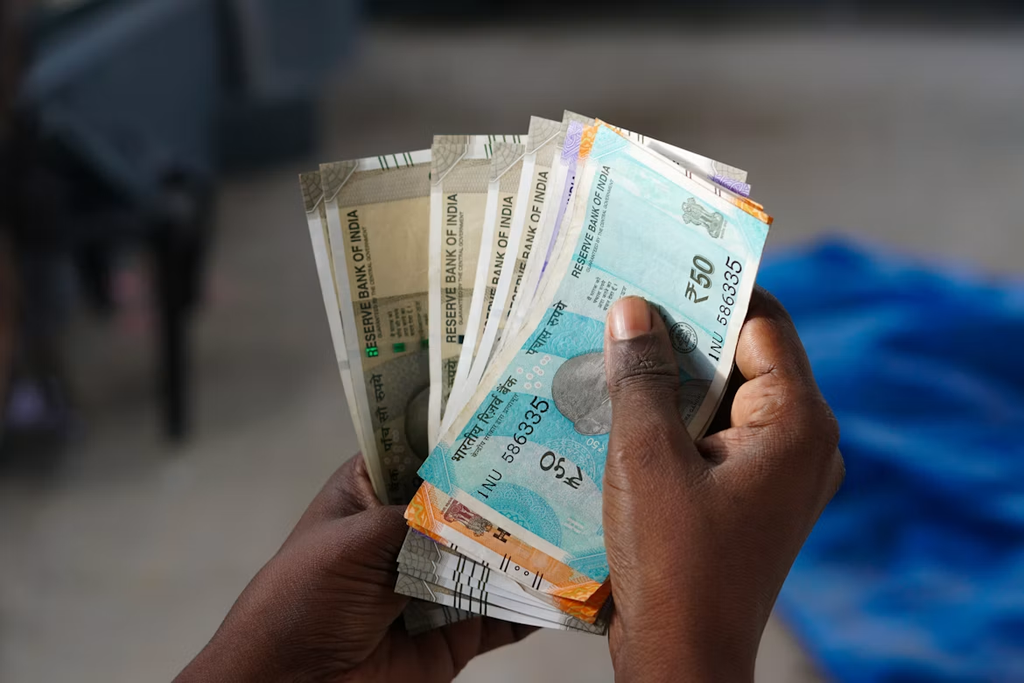
Why the naira keeps people watching exchange rates
However, Nigeria has experienced many developments in its foreign exchange regime recently. The exchange-rate regime reforms aimed at improving the process of price discovery, attracting foreign investments, and minimizing distortions between the segments of the foreign-exchange market. Moreover, such reforms have increased the responsiveness of the naira to the markets.
Reuters reported in August 2026 that the value of the naira to the US dollar on the official market stood at 1,345 while the street price of the currency still lagged behind at 1,410. It was emphasized that offshore investment inflows supported the strength of the naira. These values might differ rapidly, however, the gap between them illustrates the importance of exchange rates in relation to the interests of Nigerian citizens and enterprises. The complete Reuters report on African currencies is available here.
There may be many factors affecting the naira at once. Oil revenues remain important because crude exports bring foreign currency into the country. Foreign portfolio investment can also affect dollar availability. At the same time, companies importing machinery, fuel, medicines or raw materials create demand for foreign currency.
For anyone following the market, some of the most important factors include:
- Central Bank of Nigeria policy decisions
- inflation and interest rates
- oil prices and export revenues
- foreign investment flows
- demand for dollars from businesses
- changes in foreign reserves
- global movements in the US dollar
These factors often interact. A rise in oil prices may support foreign exchange earnings, while stronger demand for imports can create additional pressure on available dollars.
Technology has changed how currency markets are followed
While in the past an individual looking for exchange rate information would have to depend mainly on quotations from banks and newspapers, today financial information is available to users in seconds.
Trading platforms display live or near-live prices, historical charts and technical indicators. Users can follow several currency pairs at once and study how prices reacted to previous economic events. Charts can be viewed across different time periods, ranging from very short intervals to longer trends.
This has made foreign exchange markets easier to observe, although easier access to information should never be confused with easier profits. Currency markets can move suddenly after central bank announcements, inflation figures, employment reports or geopolitical events.
One major change inside Nigeria has been the effort to modernise the domestic foreign exchange market itself. Bloomberg reported that the Central Bank of Nigeria introduced an electronic matching system using Bloomberg’s BMatch technology for the interbank foreign exchange market. The system was designed to improve price discovery, transparency and efficiency in dollar-naira transactions. Bloomberg’s detailed explanation of the development can be read here.
The development highlights a wider trend. Currency markets are becoming increasingly digital at both institutional and retail levels.
What traders actually see on a currency platform
A trading screen can look complicated at first because it contains prices, charts, order windows and account information at the same time. Most platforms, however, organise these elements around a few basic functions.
The price window typically contains the currency pairs along with their bid/ask prices. The chart shows how the price has moved throughout the period. The trader can add any indicators that analyze the movement of the price in the past, like moving average or momentum.
Order tools allow users to choose how and when a position should be opened or closed. Common features include market orders, limit orders, stop orders and risk-management tools such as stop-loss levels.
These features are useful for organisation, but they do not predict what a currency will do next. A chart only shows what has already happened and how the market is behaving at a particular moment.
This distinction matters especially in volatile economies. A sudden policy announcement or unexpected global event can quickly make an earlier market pattern irrelevant.
Risk matters more than the software
Easy access to markets creates another challenge. A professional-looking platform can make trading appear more controlled than it really is. The underlying market remains uncertain regardless of how clear the charts look.
Leverage is one of the biggest issues. It allows a trader to control a position larger than the cash placed into the account. This can increase gains when the market moves in the expected direction, while losses can also grow rapidly when it moves the other way.
Several basic habits can reduce avoidable mistakes:
- understand how leverage affects the size of potential losses
- avoid putting a large share of available funds into one position
- pay attention to major economic announcements
- use predefined risk limits
- learn how orders work before trading with real money
- separate money used for trading from essential household funds
These habits may sound simple, yet they become important when prices begin moving quickly.
Nigeria’s recent economic experience provides a useful reminder of how powerful currency movements can be. Reuters reported that reforms including the devaluation of the naira helped improve public finances and foreign reserves, while also contributing to a difficult cost-of-living environment for many households. Currency changes therefore have effects far beyond trading screens.
Financial awareness is becoming more useful
The growing interest in exchange rates is part of a broader shift in financial awareness. Nigerians increasingly encounter global market information through banking apps, fintech services, financial news platforms and social media. Terms such as inflation, interest rates, foreign reserves and currency liquidity now appear regularly in public discussion.
Understanding these ideas can be useful even for people who never trade currencies. A business owner importing equipment may need to understand exchange-rate risk. A student preparing to study abroad may follow the naira against the dollar or pound. A family receiving money from overseas may watch exchange rates before converting funds.
Trading platforms are simply another part of this larger financial information environment. They provide access to prices and analytical tools, while the more valuable skill remains understanding what those numbers mean and why they move.
As Nigeria’s foreign exchange market continues to develop, interest in currency movements is unlikely to disappear. Better access to data can help people follow those changes more closely, provided the technology is combined with realistic expectations, basic financial knowledge and careful attention to risk.
WATCH TOP VIDEOS FROM NIGERIAN TRIBUNE TV
- Relationship Hangout: Public vs Private Proposals – Which Truly Wins in Love?
- “No” Is a Complete Sentence: Why You Should Stop Feeling Guilty
- Relationship Hangout: Friendship Talk 2025 – How to Be a Good Friend & Big Questions on Friendship
- Police Overpower Armed Robbers in Ibadan After Fierce Struggle


