
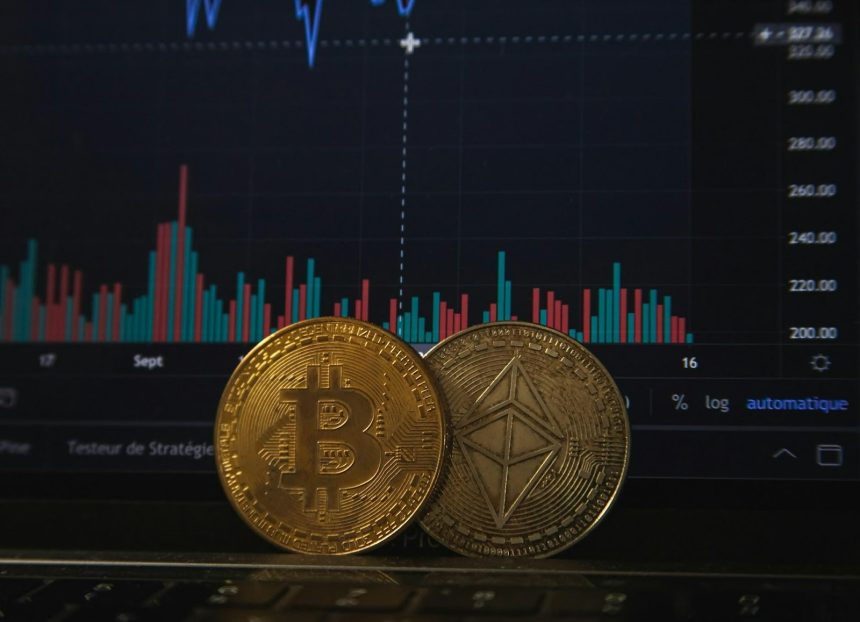
Nigeria stands at a unique intersection of technology and finance. With one of the youngest populations in the world, high mobile penetration, and an energetic entrepreneurial culture, the country has become a testing ground for financial innovation. From mobile payments to fintech startups, Nigerians have shown a willingness to adopt new tools that make money more accessible and flexible. In that broader shift, conversations about digital assets and how to buy Bitcoin have quietly entered mainstream financial discussions, not just among tech enthusiasts but among everyday people looking for alternatives in a changing economy.
But beyond headlines about cryptocurrency prices, there is a deeper story unfolding, one about blockchain technology and its potential role in Nigeria’s financial and economic future.
Understanding Blockchain Beyond the Buzzwords
Blockchain is often reduced to “the technology behind Bitcoin,” but that description only scratches the surface. At its simplest, blockchain is a decentralized digital ledger. Instead of being stored in one central location or controlled by a single authority, records are distributed across a network of computers. Each transaction is verified and permanently recorded, making it difficult to alter or manipulate.
This structure creates three major qualities: transparency, security, and decentralization. Transactions can be traceable, data is extremely hard to tamper with, and no single institution has total control over the system. For countries where trust in centralized systems can sometimes be fragile or where administrative inefficiencies exist, these features are not just technical perks; they are meaningful advantages.
Blockchain essentially shifts trust from institutions to technology and consensus. That idea is powerful in a world where digital interactions increasingly shape commerce and communication.
Nigeria’s Financial Reality
To understand why blockchain matters in Nigeria, it helps to look at local financial realities. Many Nigerians still face barriers to traditional banking. Rural communities may have limited access to bank branches, and documentation requirements can exclude some citizens. At the same time, cross-border payments are common in a country with a large diaspora, yet international transfers can be slow and expensive.
Inflation and currency volatility have also pushed many people to think carefully about how they store value. While banks remain a core part of the financial system, there is growing curiosity about complementary systems that offer speed, lower transaction costs, and global accessibility.
According to the World Bank, expanding financial inclusion remains a major development priority in Nigeria, particularly for rural populations and young adults. Technologies that reduce cost and increase access can play a supporting role in that mission. Blockchain-based systems are one of the tools being explored globally in this context.
Real-World Applications Beyond Cryptocurrency

Photo by Kamil Molendys on Unsplash
One of the biggest misconceptions is that blockchain’s only use is digital currency. In reality, its applications extend into multiple sectors.
Remittances and cross-border payments are a strong example. Nigeria receives billions of dollars annually from citizens living abroad. Blockchain-based transfers can reduce fees and settlement times compared to traditional channels. For families relying on funds from overseas, even small savings on fees can matter.
Supply chain transparency is another promising area. Agriculture and trade are major sectors in Nigeria’s economy. Blockchain can help track goods from origin to destination, reducing fraud and improving quality assurance. This is particularly useful for exports where international buyers demand traceability.
Identity and record keeping also stand to benefit. Secure digital records for land titles, academic certificates, or business registrations could reduce disputes and bureaucratic delays. A tamper-resistant ledger makes it harder to falsify documents and easier to verify authenticity.
Financial inclusion may be the most discussed benefit. Some blockchain-based financial services allow people to transact or store value without needing full access to traditional banking infrastructure. For the underbanked, this can expand options, though it should not be viewed as a total replacement for banks.
Youth, Innovation, and Adoption
Nigeria’s youth population is a major driver of tech adoption. Young Nigerians are freelancers, remote workers, developers, and digital entrepreneurs serving global markets. Many are already comfortable using mobile wallets, online banking, and digital platforms for income.
Blockchain fits naturally into this digital-first lifestyle. It aligns with a generation that values speed, autonomy, and global connectivity. However, enthusiasm must be matched with education. Technology does not eliminate risk. Market volatility, scams, and misinformation can still cause harm if users are not well informed.
The long-term value of blockchain in Nigeria will depend less on hype and more on responsible use, regulation, and strong digital literacy. A well-informed user base is what turns a new technology into a lasting tool.
Regulation and the Road Ahead
No financial technology can mature without regulatory clarity. Governments around the world are still figuring out how to regulate blockchain and digital assets, and Nigeria is part of that global learning curve.
Balanced regulation can protect consumers while allowing innovation to grow. Rules that are too strict may push innovation elsewhere, while a complete lack of oversight can expose citizens to fraud. The most productive path usually sits in the middle: clear guidelines, consumer education, and dialogue between regulators and innovators.
As regulatory frameworks evolve, trust in blockchain-based systems is likely to grow. This trust is crucial for mainstream adoption, especially among users who are cautious with their finances.
A Tool, Not a Miracle Solution
It’s important to stay realistic. Blockchain will not fix every economic challenge. It cannot replace sound policy, good governance, or personal financial discipline. What it can do is improve efficiency, reduce certain types of risk, and create new opportunities.
A useful way to think about blockchain is as infrastructure. The internet did not solve all problems, but it transformed communication, commerce, and access to information. Blockchain has similar potential in the financial layer of society, particularly in how value is stored and transferred.
Practical Perspective for Readers
For everyday Nigerians, the takeaway is not that they must immediately dive into blockchain or digital assets. Rather, it is helpful to understand where the world is heading. Digital finance is expanding, and familiarity with its foundations can be beneficial.
Learning how digital wallets work, how to identify credible platforms, and how to manage financial risk are practical skills in today’s economy. Even those who never invest directly may interact with blockchain-powered systems in banking, logistics, or public services in the future.
Nigeria’s Moment to Shape the Future
Nigeria has repeatedly shown an ability to leapfrog older systems through technology. Mobile banking and fintech adoption are clear examples. Blockchain could follow a similar path if applied thoughtfully to real problems rather than trends.
The convergence of technology and finance is already underway. For Nigeria, the opportunity lies in shaping how these tools are used locally, to expand inclusion, support businesses, and empower individuals.
The story of blockchain in Nigeria is still being written. Whether it becomes a transformative force or just another passing trend will depend on how well innovation is paired with education, responsibility, and real-world value. What is certain is that technology and finance will continue to merge, and Nigeria is well positioned to be part of that evolution.
WATCH TOP VIDEOS FROM NIGERIAN TRIBUNE TV
- Relationship Hangout: Public vs Private Proposals – Which Truly Wins in Love?
- “No” Is a Complete Sentence: Why You Should Stop Feeling Guilty
- Relationship Hangout: Friendship Talk 2025 – How to Be a Good Friend & Big Questions on Friendship
- Police Overpower Armed Robbers in Ibadan After Fierce Struggle


