
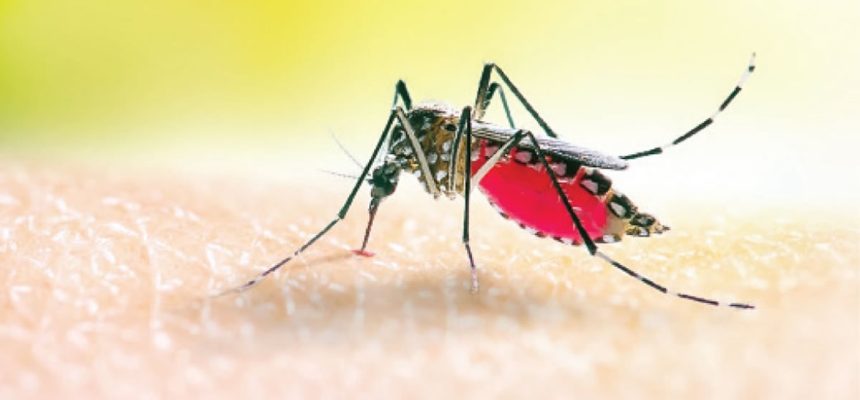
In many parts of Nigeria, the rainy season brings a surge in malaria cases, especially among children. Year after year, many arrive at health facilities too late and critically ill. Yet, malaria is treatable if care is sought early. Prompt diagnosis and immediate treatment can mean the difference between life and death.
Malaria remains one of the leading causes of illness in the country. Although it occurs year-round, cases peak during the rainy season, when stagnant water from rainfall, farming activities, and household storage creates ideal breeding conditions for mosquitoes. Children under five and pregnant women are the most vulnerable.
Every child who recovers, every mother who returns home relieved instead of grieving, is a reminder of what timely care can achieve.
Yet malaria is often spoken about casually, treated as a routine illness, almost expected. Behind that familiarity, however, lies a far more dangerous reality: severe malaria, a fast-moving, life-threatening condition that can kill within hours.
“Severe malaria is not just malaria. It is malaria with life-threatening complications. And once it gets to that stage, every minute counts,” said Dr Motunrayo Fagbola, State Technical Malaria Lead on the PATH Project in Oyo State.
Dr Fagbola spoke on the sidelines of the first quarterly meeting of the Malaria Technical Working Group in Oyo State. The meeting brought together key stakeholders, partners, and health experts to review progress, share insights, and strengthen coordinated actions toward malaria elimination.
According to her, the urgency of treating severe malaria is not theoretical—it is lived, witnessed, and deeply concerning.
Recent data from Oyo State present a complex picture. On one hand, overall malaria cases have declined, from over 113,000 in 2024 to about 84,000 in 2025. On the other hand, the proportion progressing to severe malaria has increased from 6 per cent to 9 per cent.
That seemingly small shift represents thousands of patients whose conditions escalated into medical emergencies.
Severe malaria, largely caused by Plasmodium falciparum in Nigeria, is marked by complications such as impaired consciousness, repeated convulsions, severe anaemia, low blood sugar level, and respiratory distress. In children, especially, these complications can develop rapidly and unpredictably.
The burden falls disproportionately on those least able to withstand it: children under five, pregnant women, individuals with low immunity, and people without a spleen. For these groups, what begins as a simple fever can quickly spiral into a crisis.
“A mother arrived at a health facility with two severely ill children. As the staff discussed the cost of investigations, both were tested. Before any meaningful intervention could begin, one of them died. That is how quickly severe malaria can kill; it does not wait,” she said.
Despite some progress, such as increased use of the recommended drug, intravenous artesunate, significant gaps remain in the management of severe malaria across Oyo State.
Dr Fagbola noted that in several months reviewed in 2025, only a fraction of severe cases were referred or given pre-referral treatment at the primary healthcare level, where many patients first seek help. Yet this step is critical for stabilising patients before transfer.
Managing severe malaria is not just about administering medication; it is about doing so correctly and completely.
The recommended treatment, intravenous artesunate, must be given based on a patient’s weight and continued for at least 24 hours, even if symptoms improve earlier. This should be followed by a full course of Artemisinin-based Combination Therapy (ACT).
“In practice, these protocols are not always followed. Some patients receive incomplete doses, while others are not transitioned to follow-up treatment,” she said.
“There is no one-size-fits-all dosing. Two adults can require completely different doses. If we get that wrong, we are not treating the patient effectively.”
While treatment is critical, prevention remains the first line of defence.
Simple measures, such as using insecticide-treated nets, maintaining clean surroundings, and seeking early medical care, can significantly reduce the risk of severe disease. Equally important is accurate diagnosis.
“Not every fever is malaria. We must stop treating blindly. Testing is essential,” she cautioned.
Within the broader fight against malaria, severe malaria represents the sharpest edge, the point where gaps in prevention, diagnosis, and care can quickly become fatal.
“Severe malaria deaths are preventable. But prevention is not just about tools, it is about how well we use them, how quickly we act, and how seriously we treat every case,” she added.
READ ALSO: $45bn malaria funding gap threatens elimination drive — WHO
Dr Olayinka Akanni, Secretary of the Oluyole Local Health Authority, who represented the Executive Secretary of the Oyo State Primary Healthcare Board, Dr Muideen Olatunji, called for a critical reassessment of existing malaria control strategies.
He stressed the need to identify gaps hindering progress and shift focus toward unmet community needs, ensuring that interventions are tailored to local realities.
The State Coordinator of REACH Malaria, Dr Oluwayemisi Ayandipo, explained that the “Reaching Every At-risk Community and Household with Malaria Services” initiative is a five-year programme funded by the U.S. Department of State.
The initiative aims to expand access to life-saving malaria services by focusing on underserved and hard-to-reach populations. Building on over 15 years of malaria investment, the project is currently being implemented in 27 countries, with a strong emphasis on improving service delivery, strengthening health systems, and promoting best practices.
In Oyo State, she said, REACH Malaria will support health facilities, strengthen internal quality assurance systems, and enhance community engagement to ensure more people access care.
“The ultimate goal is to reduce malaria-related illness and deaths by strengthening frontline services and ensuring that no vulnerable population is left behind,” she said.
WATCH TOP VIDEOS FROM NIGERIAN TRIBUNE TV
- Relationship Hangout: Public vs Private Proposals – Which Truly Wins in Love?
- “No” Is a Complete Sentence: Why You Should Stop Feeling Guilty
- Relationship Hangout: Friendship Talk 2025 – How to Be a Good Friend & Big Questions on Friendship
- Police Overpower Armed Robbers in Ibadan After Fierce Struggle


