

Introduction
Weight loss is not just about eating less food. It is about eating the right balance of nutrients to burn fat while maintaining energy and strength. This is where the right balance of macros comes in. The right mix of protein, carbs, and fats may help in both weight loss and health.
- Introduction
- What Are Macros and Why Do They Matter for Weight Loss?
- The Ideal Macro Ratio for Weight Loss
- How to Calculate Your Macros for Weight Loss
- Step 1: Determine daily calorie needs (BMR + activity level).
- Step 2: Apply macro percentages to the calorie total.
- Step 3: Convert calories into grams (protein, carbs, fats).
- Best Macro Splits for Different Diet Approaches
- Tips to Hit Your Macros Consistently
- Conclusion
- Frequently Asked Questions
What Are Macros and Why Do They Matter for Weight Loss?
Macronutrients are nutrients required in large amounts and support essential body functions. They help in muscle building, energy production, and hormone regulation, a process also explored in research on compounds such as Ipamorelin.
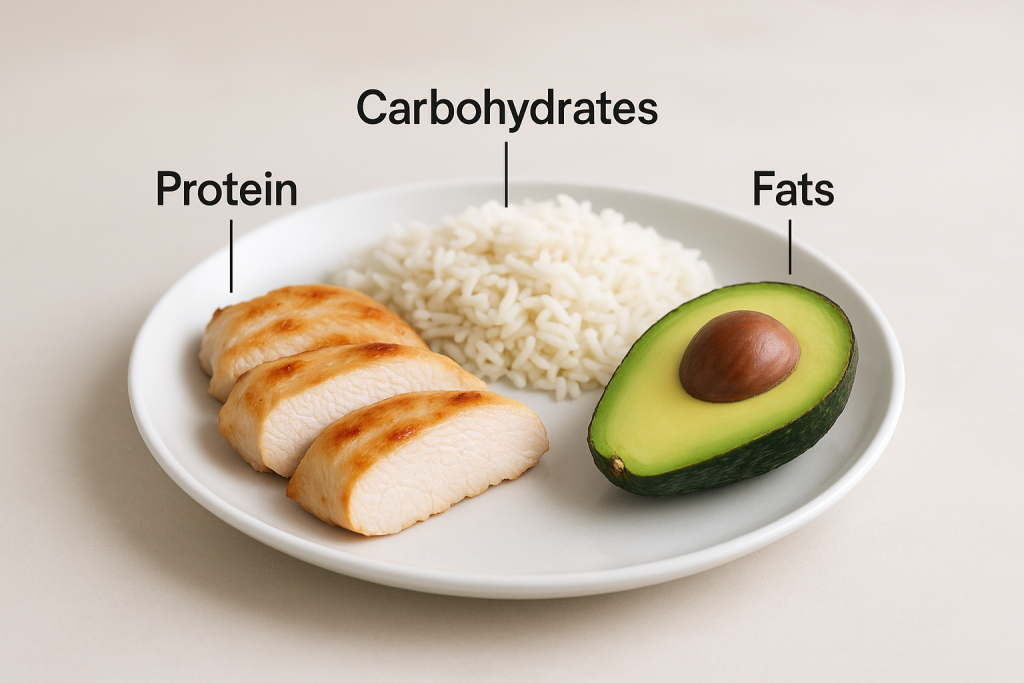
The three main components of macros are protein, carbohydrates, and fats. Protein for weight loss helps preserve lean mass during fat loss. Carbohydrates supply energy for workouts and daily activities. Meanwhile, fats can enhance hormonal balance and maintain healthy cells.
The Ideal Macro Ratio for Weight Loss
Research indicates that individual needs vary according to age, sex, activity level, and metabolic rate. Common starting points guide those pursuing fat loss for adults (18 and over):
- Protein for weight loss: 10–35% of total daily calories
- Carbohydrates: 45–65% of total daily calories.
- Fats: 20–35% of total daily calories.
These ranges support fat loss, lean mass, and energy. They can be refined using a weight loss macros calculator. Tracking intake reveals how small shifts significantly impact progress.
How to Calculate Your Macros for Weight Loss
Step 1: Determine daily calorie needs (BMR + activity level).
Start by calculating the subject’s basal metabolic rate (BMR). Factor in weight, age, sex, and how active they are. Researchers may use valid formulas such as the Mifflin-St Jeor equation. Then, adjust based on the lifestyle and weight loss goals.
Step 2: Apply macro percentages to the calorie total.
Pick a macro split that fits the goal of the study, then break down the calorie total into the chosen macro split.
Step 3: Convert calories into grams (protein, carbs, fats).
Divide the calories of each macro by its energy value. This helps with precise tracking and accurate meal planning.
- Protein = 4 kcal per gram
- Carbohydrates = 4 kcal per gram
- Fat = 9 kcal per gram
After calculating total calories, it is time to set the macronutrient targets. Protein for weight loss ranges from 0.7 to 1.0 grams per pound of body weight. Meanwhile, 0.25 to 0.4 grams per pound of body weight for fat, and all remaining calories go to carbohydrates.
This approach supports a macro diet for fat loss while preserving the user’s muscles and energy.
Best Macro Splits for Different Diet Approaches
Macro splits vary based on a specific diet approach, goals, and energy needs. The right option for split maintains consistent results over time.
Balanced diet approach
This approach focuses on distributing protein, carbohydrates, and fats evenly. This maintains energy and support in the user’s general health, but without extreme restrictions. It suits individuals who seek steady energy and support in long-term weight management.
Macro split example:
- Protein: 25-30%
- Carbohydrates: 45-50%
- Fat: 25-30%
Pros
- Easy to follow in long-term cycles
- Maintains stable energy levels
Cons
- May not maximize fat loss speed
- It can be less flexible for intense training
Low-carb/keto-inspired approach
This keto-inspired approach prioritizes higher fat and moderate protein intake. This is best for promoting fat adaptation and reducing appetite for faster fat loss.
Macro split example:
- Protein: 20-25%
- Carbohydrates: 5-10%
- Fat: 65-75%
Pros
- Enhances appetite control
- Supports fat adaptation
Cons
- Harder to maintain over time
- Strict eating limitations
High-protein approach
The high-protein approach emphasizes the user’s protein intake. This is to preserve lean mass during fat loss. Meanwhile, it still maintains moderate carbohydrate and fat levels. It is a good option for individuals focused on muscle retention and fat loss simultaneously.
Macro split example:
- Protein: 30-40%
- Carbohydrates: 30-40%
- Fat: 20-30%
Pros
- Preserves lean mass
- Supports satiety and reduces hunger
Cons
- Requires careful planning
- May limit the intake of other nutrients
Tips to Hit Your Macros Consistently

Research shows that recording the food intake and planning meals have a greater effect. on calorie and macro targets. These tips may lead to better long-term results.
- Pre-portion protein, carbohydrates, and fats to stay on target for weight loss.
- Log each intake to identify lapses and progress using any verifiable app or a notebook.
- Include enjoyable foods within the meal plan to prevent burnout in a macro diet for fat loss.
- Prioritize fruits, vegetables, and whole foods to support both micronutrient and overall health.
Conclusion
The right macros for weight loss comes down to balance and preferences. That is why paying attention to both calories and macros helps with weight loss. However, the numbers may shift over time, but what matters most is staying consistent and adjusting along the way.
Frequently Asked Questions
Do macros matter more than calories?
Both matter since they function interdependently. Calories determine weight gain or loss. Meanwhile, macros shape the quality of that change.
Can you lose weight without tracking macros?
Yes. A calorie deficit makes weight loss take place, but tracking macros gives better control. Once tracking starts to feel heavy, mindful eating may help.
Should macro ratios change as you progress?
Yes. Users often shift with their activity, body fat, or goals. That is why they may raise protein during a cut or add carbs once energy runs low.
WATCH TOP VIDEOS FROM NIGERIAN TRIBUNE TV
- Relationship Hangout: Public vs Private Proposals – Which Truly Wins in Love?
- “No” Is a Complete Sentence: Why You Should Stop Feeling Guilty
- Relationship Hangout: Friendship Talk 2025 – How to Be a Good Friend & Big Questions on Friendship
- Police Overpower Armed Robbers in Ibadan After Fierce Struggle


