
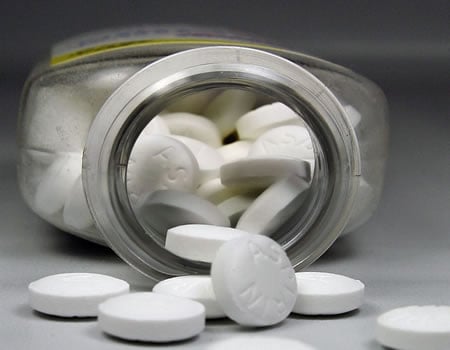
A major Nigerian clinical trial has raised fresh concerns about the routine use of low-dose aspirin among pregnant women living with sickle cell disease after researchers found that the treatment failed to prevent serious pregnancy complications and was linked to higher rates of sickle cell crises and maternal deaths.
The study, published in The Lancet Global Health, is the largest randomised clinical trial ever conducted among pregnant women with sickle cell disease and could trigger a review of current guidelines recommending aspirin for some high-risk pregnancies.
Researchers from the University of Lagos and other Nigerian institutions followed 476 pregnant women with sickle cell disease across 16 public hospitals in Lagos and Osun states between 2020 and 2024. Participants were randomly assigned to receive either a daily 100mg aspirin tablet or a placebo.
The trial examined whether aspirin could reduce the risk of complications commonly associated with sickle cell pregnancy, including poor fetal growth, miscarriage, perinatal death and pre-eclampsia.
The findings showed no meaningful benefit. Among women who received aspirin, 27.1 per cent experienced the study’s main adverse outcomes compared with 25.8 per cent in the placebo group.
Researchers concluded that aspirin did not significantly reduce the risk of miscarriage, fetal growth restriction or perinatal death.
READ ALSO: Nigeria’s silent healthcare emergency
More worrying, women taking aspirin experienced higher rates of sickle cell-related complications, including painful vaso-occlusive crises, hyperhaemolytic crises and acute chest syndrome.
Researchers also recorded a notable difference in maternal deaths. Ten women in the aspirin group died during the study period, compared with two in the placebo group. Most of the deaths were linked to severe sickle cell complications.
While the researchers cautioned that further investigation is needed, they said the findings warrant careful consideration before routinely recommending aspirin to pregnant women with sickle cell disease.
Sickle cell disease remains one of Nigeria’s most significant public health challenges. The inherited blood disorder affects millions and increases the risk of severe anaemia, painful crises and organ damage. Pregnancy further heightens the risk of complications, including stillbirth, infections, pre-eclampsia and maternal death.
Although aspirin has been shown to reduce pre-eclampsia and fetal growth problems in many high-risk pregnancies, evidence supporting its use in women with sickle cell disease has been limited.
According to the researchers, the study challenges assumptions that treatments effective in the general pregnant population will automatically benefit women with sickle cell disease. They noted that the unique biological characteristics of the condition may influence how patients respond to aspirin.
The researchers called for further studies to clarify the drug’s safety in sickle cell disease and urged policymakers and medical bodies to review existing recommendations in light of the findings.
As Nigeria continues to battle high maternal and newborn mortality rates, the study underscores the importance of ensuring that treatments are supported by strong evidence before being widely adopted for vulnerable patient groups.
WATCH TOP VIDEOS FROM NIGERIAN TRIBUNE TV
- Relationship Hangout: Public vs Private Proposals – Which Truly Wins in Love?
- “No” Is a Complete Sentence: Why You Should Stop Feeling Guilty
- Relationship Hangout: Friendship Talk 2025 – How to Be a Good Friend & Big Questions on Friendship
- Police Overpower Armed Robbers in Ibadan After Fierce Struggle


