
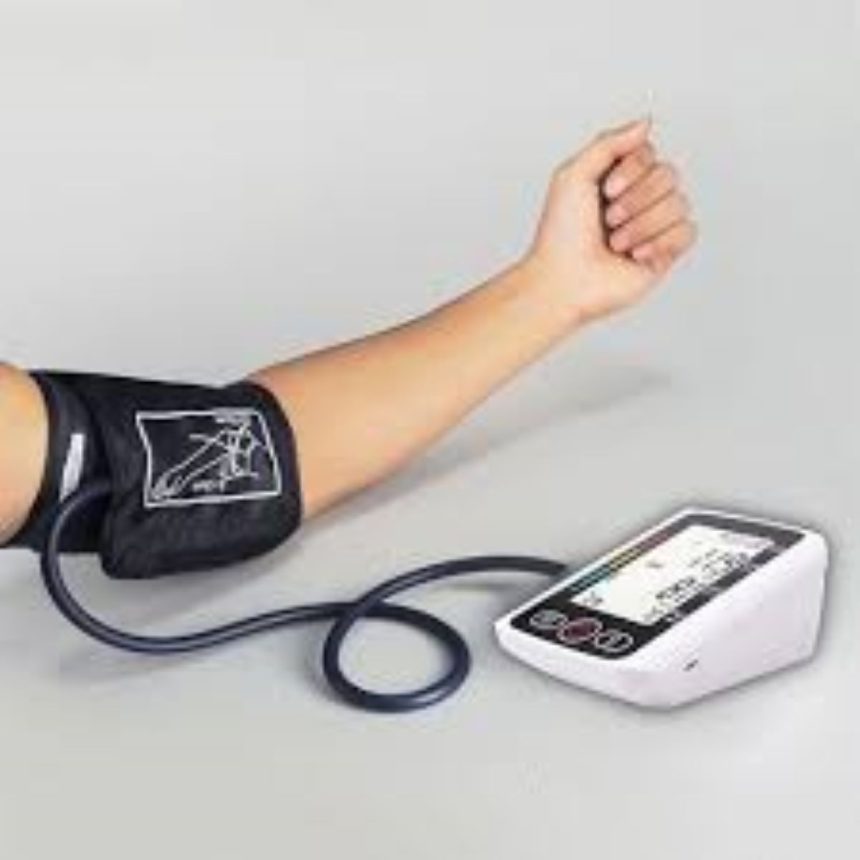
Blood pressure is the amount of force the blood uses to get through the arteries.
Hypertension , also known as high blood pressure, means the force of blood pushing against your artery walls is too high. Over time, hypertension damages your arteries and heart. It can lead to heart attack or stroke. High blood pressure is also known as a silent killer because it doesn’t usually cause symptoms.
Blood pressure measurement comprises two different readings: Systolic and Diastolic pressure.
Systolic pressure is the maximum pressure in your arteries when the heart muscle contracts to push blood out of the body while Diastolic pressure is the minimum pressure in your arteries when the heart muscle relaxes. A normal reading is typically less than 120/80 mmHg.
According to the World Health Organisation ( WHO), the prevalence of hypertension in Nigeria is estimated to be around 36%. Both hypertension ( high blood pressure) and hypotension ( low blood pressure) pose significant health threats if detected late and poorly managed.
Always visiting hospitals, pharmacies or other clinics just to check your blood pressure could be draining both financially and mentally, considering the money you would spend for your transport and the struggles of overcrowded patients who are also in the hospital for treatments.
So checking your blood pressure at home is an important part of managing high blood pressure. The medical term for this is self-measured blood pressure (SMBP).
In lieu of this, Tribune Online finds it worthy to walk you through how you would easily check your blood pressure in your house at your convenience.
A step-by-step guide to checking your blood pressure manually at Home
1. Find a calm spot and get comfortable
Before you begin, take a few minutes to relax. Sit in a chair with your back supported and place your arm on a flat surface, like a table, with your palm facing upward. Stay calm and ensure your readings are not influenced by stress or movement.
2. Position the cuff correctly
Wrap the blood pressure around the upper part of your arm, just above the elbow. Make sure it is not too tight or too loose.
3. Inflate the Cuff
Using the hand pump, inflate the cuff to a pressure slightly above your usual systolic level, generally about 30 mm Hg higher. If you’re unsure of your normal numbers, your doctor can advise you on the proper target for inflation.
4. Place the Stethoscope properly
Position the stethoscope over the major artery inside the elbow crease, with the flat side pressed gently against the skin. Test it first by tapping lightly to make sure you can hear the sounds clearly. A good-quality stethoscope can make it easier to pick up the subtle changes in blood flow.
5. Listen for the first beat
Slowly release the air from the cuff while listening carefully. The first pulsing sound you hear is your systolic pressure , which is the point when your heart is pumping blood through the arteries.
6. Continue until the pulse disappears
Keep letting out the air gradually. The moment the pulse sound disappears marks your diastolic pressure, when the heart relaxes between beats.
7. Record your readings
Write down your results as systolic over diastolic, for example, 116/76 mm Hg. It’s a good idea to take two or three readings a few minutes apart and record the average for accuracy.
Things to consider before taking the readings at home
- Get the correct device
Before you start checking your blood pressure at home. It’s important that you get the right and accurate device for your measurements. Ensure you go to your health care professional for the right device to use. Experts often recommend automatic, upper arm blood pressure monitors.
- Get the right training from your healthcare professional
While it’s more convenient to check your blood pressure at home, you must be fully equipped with the expertise on how to accurately use it. So it’s important to go to your healthcare professional for guidance. Allow him to explain how it’s been done and try doing it under his supervision until you become perfect.
- Prepare adequately before taking measurements
Check your blood pressure before eating or taking medications. It’s also important to empty your bladder and avoid alcohol, tobacco and caffeine 30 minutes before taking your reading.
- Take more than one reading
One reading isn’t enough to give a reliable result. Wait 1 to 3 minutes after the first reading, and then take another 2- 3 new measurements.After then , add them together and calculate the average.
ALSO READ: Cybersecurity: Protecting Your WhatsApp from Hackers
WATCH TOP VIDEOS FROM NIGERIAN TRIBUNE TV
- Relationship Hangout: Public vs Private Proposals – Which Truly Wins in Love?
- “No” Is a Complete Sentence: Why You Should Stop Feeling Guilty
- Relationship Hangout: Friendship Talk 2025 – How to Be a Good Friend & Big Questions on Friendship
- Police Overpower Armed Robbers in Ibadan After Fierce Struggle


