
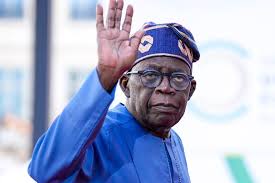
A policy advocacy group, Oil and Gas Governance Practice Group (OAL), has commended President Bola Ahmed Tinubu for signing the Executive Order mandating direct remittance of oil and gas revenues to the Federation Account, while urging the Federal Government (FG) to privatise the Nigerian National Petroleum Company Limited and phase out existing contracts with international oil companies (IOCs).
In a formal submission dated February 19, 2026, addressed to the Minister of Finance and Coordinating Minister of the Economy, Wale Edun, who chairs the implementation committee for the Executive Order, the group described the presidential directive as a landmark step toward restoring Nigeria’s fiscal sovereignty and constitutional revenue entitlements.
The Executive Order, which directs operators to remit Royalty Oil, Tax Oil, Profit Oil and Profit Gas directly to the Federation Account, was praised for addressing long-standing concerns about revenue leakages in the petroleum sector and aligning with Section 162 of the 1999 Constitution, which mandates that all federation revenues be paid into the central account for distribution among the three tiers of government.
The group, led by the former President of the Nigerian Bar Association (NBA), Dr Olisa Agbakoba, said the directive could unlock significant incremental revenues for federal, state and local governments, strengthen public service delivery, and improve transparency in the oil and gas industry.
However, the organisation argued that the order did not go far enough to resolve structural challenges in the sector, particularly the role of NNPC Limited and the contractual frameworks governing multinational oil operations.
Also Read: Nigeria out of woods, best yet to come — Tinubu
According to the organisation, NNPC should be transformed into a purely commercial oil company without statutory responsibilities and ultimately privatised, with the government exiting direct participation in exploration and production activities.
The group claimed that the national oil firm had historically absorbed between 50 and 70 per cent of public oil and gas revenues through various mechanisms, a situation it said was unsustainable.
On international oil companies, OAL acknowledged that the Executive Order’s provisions mandating direct remittance of revenues were a positive development but argued that they did not address the deeper structural issues embedded in Joint Venture (JV) and Production Sharing Contract (PSC) arrangements.
The group maintained that existing contractual frameworks allow operators to determine operating costs and recover expenses before government revenue is calculated, thereby reducing the Federation’s net earnings.
It therefore recommended a phased withdrawal from JV and PSC arrangements over a structured transition period, backed by legislation, to safeguard Nigeria’s sovereign control over its petroleum resources while avoiding investment disputes.
OAL also urged the implementation committee to incorporate its proposals into the ongoing review of the Petroleum Industry Act (PIA), stressing that reforms were necessary to ensure Nigeria’s oil and gas governance framework fully serves national economic interests.
The group expressed readiness to support the committee with technical expertise to achieve effective implementation of the Executive Order and broader sector reforms.
WATCH TOP VIDEOS FROM NIGERIAN TRIBUNE TV
- Relationship Hangout: Public vs Private Proposals – Which Truly Wins in Love?
- “No” Is a Complete Sentence: Why You Should Stop Feeling Guilty
- Relationship Hangout: Friendship Talk 2025 – How to Be a Good Friend & Big Questions on Friendship
- Police Overpower Armed Robbers in Ibadan After Fierce Struggle


