
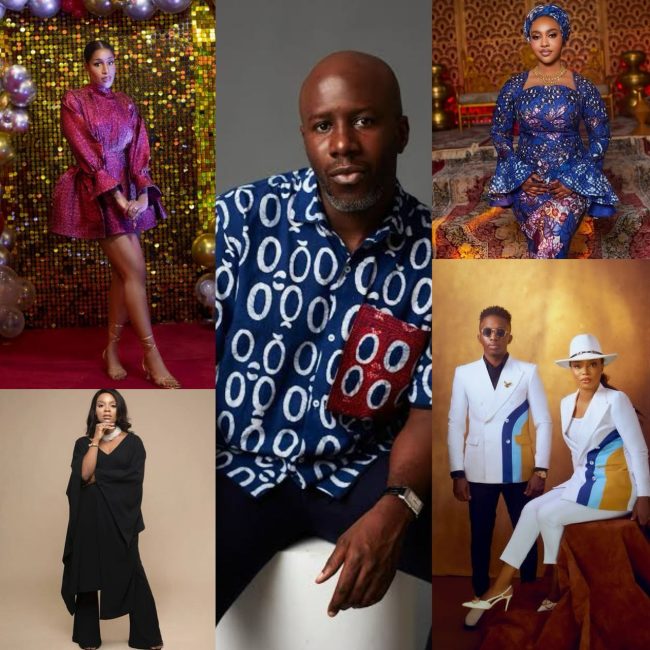
The Federal Government has reaffirmed its support for Nigeria Fashion Week 2026, with the Minister of Art, Culture, Tourism and the Creative Economy, Hannatu Musa Musawa, highlighting the potential of the fashion industry to drive investment, entrepreneurship and economic growth.
Musawa’s support for the event is part of renewed efforts to position Nigeria’s creative industries as important contributors to the country’s economic development.
The minister emphasised the significance of fashion as more than an avenue for entertainment, pointing to its capacity to create jobs, develop businesses and attract investment.
Nigeria has one of Africa’s most vibrant fashion industries, with designers, models, stylists, photographers, makeup artists and other professionals contributing to a rapidly expanding creative economy.
The sector has also gained increased international visibility in recent years, with Nigerian designers and fashion brands appearing on global platforms and dressing celebrities both within and outside the country.
The Federal Government’s backing of Nigeria Fashion Week 2026 is therefore expected to strengthen efforts to create greater opportunities for players in the sector.
Musawa has consistently spoken about the need to develop Nigeria’s creative economy and turn the country’s cultural assets into sustainable economic opportunities.
Fashion forms an important part of that ecosystem because it connects creativity with manufacturing, retail, tourism, entertainment and international trade.
READ ALSO: I’ll never date a celebrity — Doyin
Beyond the runway, major fashion events also provide platforms for emerging designers to showcase their work and establish relationships with potential investors, customers and international partners.
Nigeria Fashion Week is expected to bring together key stakeholders from across the fashion and creative industries.
The government’s support could also help draw greater attention to Nigerian fashion brands and increase the sector’s contribution to the country’s creative economy.
For young Nigerians seeking opportunities in fashion, the growth of the industry could provide employment and entrepreneurial possibilities across several areas of the value chain.
Designers require tailors and garment manufacturers; fashion shows require models, stylists, makeup artists, photographers and event professionals, while brands also rely on digital marketers, content creators and other creative workers.
The sector consequently has the potential to create opportunities beyond the designers whose names appear on clothing labels.
As Nigeria prepares for the 2026 edition of the fashion week, stakeholders will be watching to see how the government’s support translates into tangible opportunities for designers and other professionals.
The broader ambition is to ensure that Nigeria’s fashion industry does not merely produce trends but becomes a stronger contributor to investment, employment and the country’s creative economy.
WATCH TOP VIDEOS FROM NIGERIAN TRIBUNE TV
- Relationship Hangout: Public vs Private Proposals – Which Truly Wins in Love?
- “No” Is a Complete Sentence: Why You Should Stop Feeling Guilty
- Relationship Hangout: Friendship Talk 2025 – How to Be a Good Friend & Big Questions on Friendship
- Police Overpower Armed Robbers in Ibadan After Fierce Struggle


