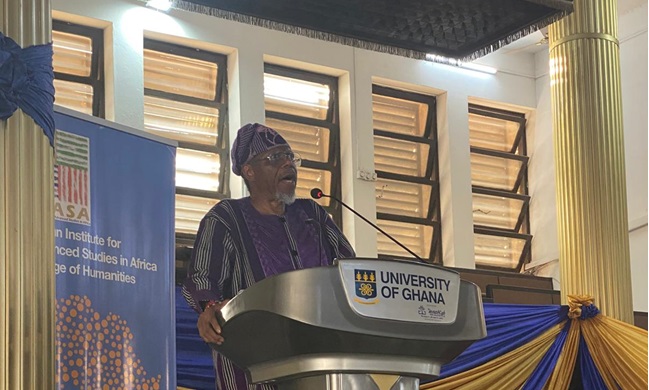
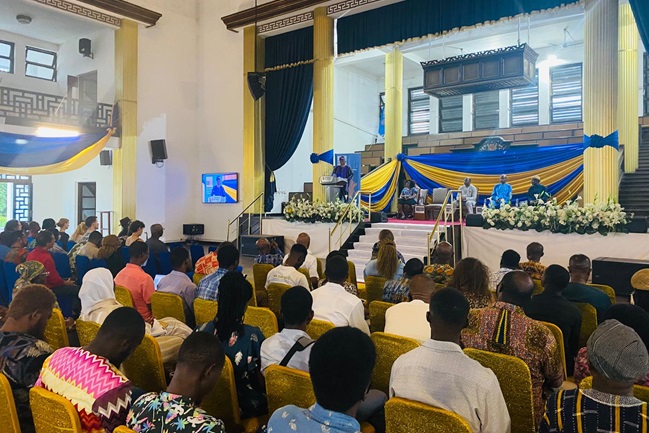
In a historic step toward reclaiming and revitalizing indigenous knowledge, Professor Toyin Falola, a distinguished African historian, launched the African Ancestral Studies program during the University of Ghana’s Anton Wilhelm Lecture on Tuesday.
This groundbreaking course, as envisioned by Falola, marks a significant departure from conventional approaches to African studies by centering the continent’s indigenous epistemologies, spiritual practices, and diasporic connections. Unlike traditional historical courses that often prioritize linear, Eurocentric narratives of Africa’s past, African Ancestral Studies delves into the ancestral knowledge systems that have long sustained African communities.
The program, according to Falola, offers a profound reorientation, one that brings the spiritual, cosmological, and ethical dimensions of African life into the academic spotlight. Through this initiative, students will not only learn about Africa’s contributions to global knowledge but will also be invited to explore alternative ways of knowing and being that resist dominant Western paradigms.
The development of African Ancestral Studies reflects Falola’s commitment to addressing the gaps and distortions that have plagued African historiography. For centuries, Africa’s contributions to fields such as science, art, philosophy, and governance have been marginalized or misrepresented, often viewed through a colonial lens that either diminished or outright ignored the depth of African intellectual traditions.
Falola argued that African Ancestral Studies would work to correct these misrepresentations by emphasizing the centrality of African knowledge systems that predate and survive colonial intervention.
He noted that indigenous African cosmologies, philosophies, and spiritualities offer unique insights into the nature of life, human existence, and the universe—insights that are still relevant in addressing many of the world’s ethical and existential challenges today. In this regard, African Ancestral Studies seeks to restore Africa’s intellectual heritage to its rightful place within global academia.
At the core of the African Ancestral Studies program is the concept of ancestry, a framework that transcends conventional historical narratives by linking Africa’s past, present, and future. Falola emphasized that African cultures have long understood the importance of ancestral veneration, not merely as a spiritual practice but as a way of preserving knowledge, identity, and ethical values across generations.
By focusing on ancestral connections, the program encourages students to engage with Africa’s history in a more holistic manner—one that acknowledges the continuous dialogue between the living and the dead, the physical and the metaphysical. This ancestral approach offers a dynamic method for understanding African cosmology, which views the universe as interconnected and cyclical, rather than linear. It is through this lens that African societies have developed their ethical frameworks, with a strong emphasis on community, respect for nature, and balance in all aspects of life.
In addition to its focus on ancestry, the program highlights African cosmologies and rites of passage as essential components of African life and thought. African cosmology, according to Falola, is an intricate system of beliefs that explains the origins of the universe, the role of deities, and the relationship between humans and the divine. This worldview is central to many African spiritual practices, including rites of passage that mark key stages in life—birth, initiation into adulthood, marriage, and death.
African Ancestral Studies will explore these rites not only as cultural practices but as profound philosophical reflections on human existence and the responsibilities that individuals have toward their community and the natural world. By examining these practices in detail, the program seeks to offer students a deeper understanding of how African societies have historically structured their ethical and social systems, based on spiritual principles that emphasize interdependence and mutual care.
Falola also noted the diasporic dimensions of African Ancestral Studies, stressing that the program would explore how African knowledge systems have traveled and evolved in different parts of the world, particularly in the Americas and the Caribbean. For millions of Africans and their descendants, especially those affected by the transatlantic slave trade, reclaiming ancestral knowledge offers a pathway to reconnect with their roots, regain cultural pride, and reaffirm a sense of identity.
African Ancestral Studies will not only explore the historical movement of African traditions across the globe but will also investigate how these traditions have been reinterpreted, blended with other cultural practices, and sustained by communities in the diaspora. By incorporating this diasporic perspective, the program underscores the resilience and adaptability of African traditions, showing how they have withstood centuries of displacement and cultural suppression.
The promotion of cultural identity and pride is a key objective of African Ancestral Studies, especially in a world where the legacies of colonialism and cultural imperialism continue to shape perceptions of Africa. Falola argued that this academic program would empower African students and students of African descent to see themselves as inheritors of a rich and diverse intellectual heritage. By learning about Africa’s indigenous knowledge systems, students will be encouraged to develop a sense of pride in their cultural roots and to understand their place within a larger historical continuum that stretches beyond the colonial period. Furthermore, African Ancestral Studies aims to equip students with the tools to critically engage with global issues, offering African ethical paradigms as alternative frameworks for addressing problems such as environmental degradation, social inequality, and the erosion of community values.
He noted that the launch of African Ancestral Studies represents a significant milestone in the field of African studies and a bold step toward decolonizing the curriculum. By reclaiming indigenous African knowledge systems, emphasizing the spiritual and ethical dimensions of African life, and promoting global connections between Africa and its diaspora, the program offers a transformative approach to understanding Africa’s past, present, and future.
As Professor Falola explained, this field will not only correct historical misrepresentations but will also offer a powerful tool for cultural reclamation, identity formation, and ethical reflection. Through African Ancestral Studies, students will be invited to engage with Africa’s intellectual traditions in a way that honours the complexity and richness of African life, while also offering valuable insights for addressing the challenges of the modern world.
READ ALSO FROM NIGERIAN TRIBUNE
WATCH TOP VIDEOS FROM NIGERIAN TRIBUNE TV
- Relationship Hangout: Public vs Private Proposals – Which Truly Wins in Love?
- “No” Is a Complete Sentence: Why You Should Stop Feeling Guilty
- Relationship Hangout: Friendship Talk 2025 – How to Be a Good Friend & Big Questions on Friendship
- Police Overpower Armed Robbers in Ibadan After Fierce Struggle