
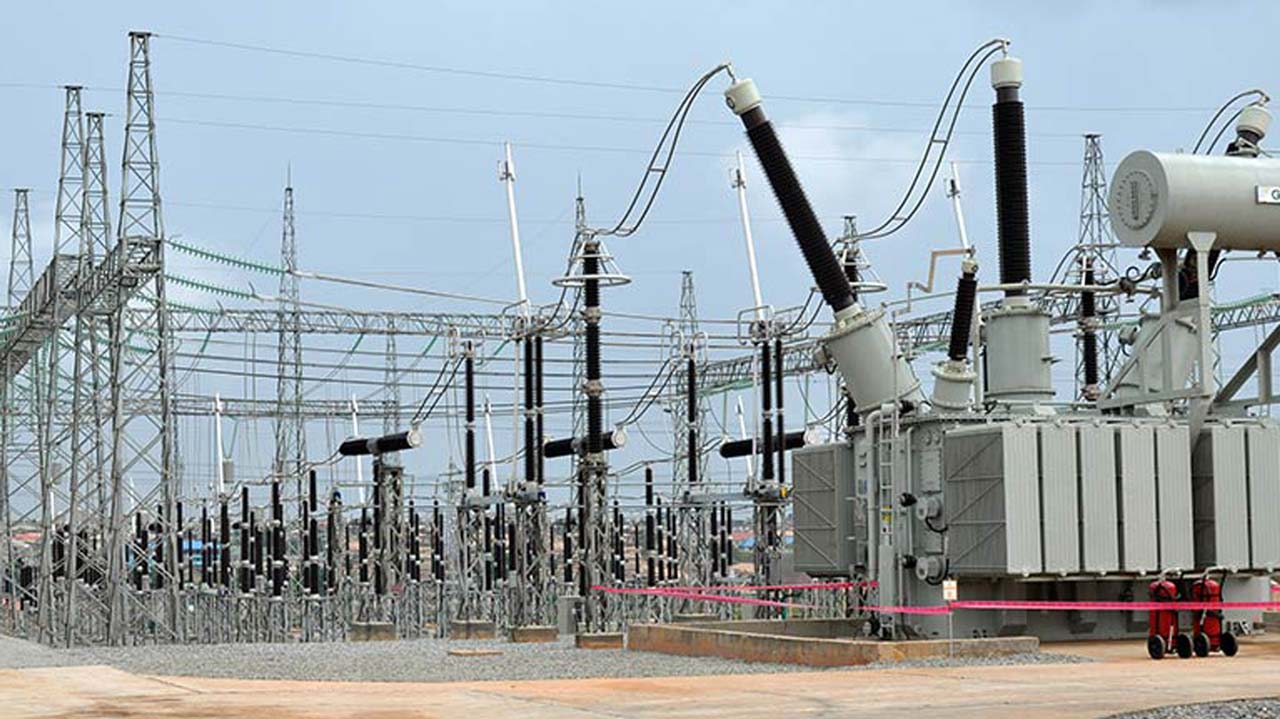
Poor collections as a result of metering issues, technical distribution losses, poor and insufficient distribution infrastructures, energy theft and commercial losses, among others have been blamed for the challenges confronting the electricity distributions companies popularity known as DisCos.
Others are flawed privatisation processes, ageing equipment, limited technical and financial capacity of the power distribution firms, inefficient management, problematic pricing and tariff structures, coupled with affordability concerns among the citizenry and an unsustainable subsidy regime.
As a result on these, no fewer than six DisCos have fallen under the recievership in the last three years.
They include Abuja, Benin, Kaduna, Kano, and Ibadan Discos.
The latest was the Ikeja Electricity Distribution Company (IkejaDisCos), which news of its descent under recievership became public last week.
Although, the company through its legal advisers had come out to refute the claim, but industry’s players believed that there cannot be smoke without fire.
Speaking to the Nigerian Tribune, industry experts expressed concerns over DisCos’ huge debt burdens.
Nigerian Tribune gathered that the Nigerian government owes electricity distribution companies (DisCos) a significant amount of money.
A recent report indicated the total debt to both GenCos and DisCos is over N4 trillion.
Specifically, the government owes DisCos N450 billion for electricity subsidy in 2024, and an additional N2 trillion in legacy debt to GenCos.
This debt is a major concern for the power sector and hinders its ability to function optimally.
Speaking, Executive Vice-President, Operations & Management, Genesis Energy, Mr. Simon Shaibu, said that the electricity distribution companies also suffered technical distributions losses from 33kv to 11kV and 415v, adding that poor and insufficient distribution infrastructures led to load rationing by the DisCos.
“Dilapidated and old infrastructures leading to weak infrastructures, energy theft and commercial losses contributed to DisCos’ woes,” he said.
Suggesting the way out, Shaibu enjoined DisCos to embark on investments and massive turnaround of infrastructure.
He said that they should encourage embedded power supply and bring on board other private players.
“Discos are required to do investments, massive turnaround of infrastructure, encourage embedded power supply and finally bring on board other private players,” he said.
In what he described as the “National Grid Hemorrhage”, Executive Director, PowerUp Nigeria, an Electricity Consumer Right and Power Sector Policy Advocacy Organisation, Adetayo Adegbemle, said that low tariff affected the whole power’s value chain
“There is no other way we can get cheaper electricity and stable grid by the continued bleeding of the national grid.
“That we have so many Discos falling into receivership in the last they are decade, even those doing well, speaks volume of the health and state of the power sector in Nigeria” he said
While some Discos management were outrightly wasteful and accountable, Adegbemle said another question should border on whether the nation’s energy is cost reflective and cost efficient.
He listed government inability to turn subsidy shortfalls into cash, subsequent lack of investment in the power sector, the rotting of infrastructure, and continued inability to power Nigeria as some of the challenges confronting the power sector.
“It is really a sad and evil cycle we have found ourselves,” he said.
He said there was a need for policies and investment’s drives that would make grid supply attractive and better for manufacturers
Besides, he said that the Federal Government needed to reverse this ugly trend as it spells doom for the economy.
“We need the manufacturers back on the grid poste haste,” he said.
On the way out, Adegbenle wants government’s interventions to be suspended forthwith, while promoting strictly private sector-led interventions.
This, he said would allow the
government to focus on policy setting and allowing regulators the independence required to boost investors confidence, especially when they see routes or paths to investment recovery.
“See what is happening in Enugu for instance, State regulatory independence does not mean rascality in decision taking, it is until they start seeing people running from Enugu that they will understand the import of their decision.
“State regulations should focus on making policies thata will attract investments, guarantee security of such investment.
“This is only when Investors and funds required for solving our power sector problem will show up,” Adegbenle said.
The Director/CEO, Centre for the Promotion of Private Enterprise (CPPE), Dr. Muda Yusuf, blamed flawed privatization processes for the persistent challenges of the power sector.
He said that the report of the Ikeja Electric receivership highlighted the persistent challenges of the power sector, which has become a troubling conundrum.
Yusuf said it was quite curious and perturbing that Ikeja Electric, often touted as the best-performing electricity distribution company in the country with a prosperous customer base, ended up in receivership.
This development, he said suggested a similar fate could await other distribution companies in the near term.
The CPPE director said that these challenges stemmed from flawed privatization processes, ageing equipment, limited technical and financial capacity of the power distribution firms, problematic pricing and tariff structures, coupled with affordability concerns among the citizenry and an unsustainable subsidy regime.
The result, according to him, has been an acute liquidity crisis in the sector.
“There are additionally clear conflicts between the commercial objectives of private investors (DisCos and GenCos), the citizens’ desire for affordable electricity, the quest by industrialists for an investment-friendly electricity tariff, and a politically acceptable tariff regime.
“The government’s obstruction and the citizens’ opposition to cost-reflective tariffs, despite demands from private investors in the sector, further complicates the situation,” he said.
This, he said created numerous contradictions and conflicts that required careful and painstaking strategic resolution.
“What has happened to the DisCos is also partly a consequence of the prohibitive interest rate in the economy, given the high degree of leveraging of most of the DISCOs. It is very difficult for any long-term project to survive the current excruciating lending rate in the economy,” Yusuf said
Given the power sector’s strategic importance, he canvvased that government’s urgent intervention is imperative to prevent a complete collapse of the national power ecosystem.
“The power sector is not just a business; it is crucial for economic development, economic sustainability and economic security,” he said.
While a sustainable framework for power sector liquidity and subsidies is being developed, Yusuf said that the government must take immediate steps to stabilize the sector.
He said:”Meanwhile, the worry now is that in a receivership, banks primarily seek to recover their funds, typically disregarding economic development, social, environmental or productivity objectives.
“The overriding objective would be debt recovery, even if it means liquidating the assets. The ultimate victims of a power sector collapse are citizens, industries and investors.,” he said.
ALSO READ TOP STORIES FROM NIGERIAN TRIBUNE
WATCH TOP VIDEOS FROM NIGERIAN TRIBUNE TV
- Relationship Hangout: Public vs Private Proposals – Which Truly Wins in Love?
- “No” Is a Complete Sentence: Why You Should Stop Feeling Guilty
- Relationship Hangout: Friendship Talk 2025 – How to Be a Good Friend & Big Questions on Friendship
- Police Overpower Armed Robbers in Ibadan After Fierce Struggle


