
By Mutalib Jibril
As Ramadan approaches its final days, many Muslims look forward to completing the fasting and preparing for Eid celebrations. However, for people living with diabetes, the last days of Ramadan can require extra caution.
Long hours without food, changes in sleep patterns, and large meals at iftar can affect blood sugar levels. Because of this, proper planning and regular monitoring are important to avoid health problems.
After many days of fasting, the body may become tired and more sensitive to changes in food and medication, especially when the fasting reaches the last 10 days. For people with diabetes, this can increase the risk of low blood sugar (hypoglycaemia) or high blood sugar (hyperglycaemia).
In an earlier article, I wrote about whether fasting is safe for people with diabetes. Doctors explained that some people with well-controlled diabetes may fast under medical supervision, while those with poorly controlled blood sugar or complications are often advised not to fast.
Research also shows that fasting without proper monitoring can increase the risk of low blood sugar. The rate of severe hypoglycaemia increased during Ramadan among some patients with diabetes.
In this article, Tribune Online highlights practical ways to manage diabetes in the last days of Ramadan
Eat a balanced Sahur
The pre-dawn meal, known as sahur, plays an important role in helping people with diabetes maintain stable blood sugar during the fasting hours. Eating the right foods at sahur provides energy for a longer period.
Foods that release energy slowly are highly recommended. Whole grains, beans, oats, and vegetables contain fibre that slows down the absorption of glucose. Protein foods such as eggs, yogurt, milk, and lean meat can also help people feel full longer and reduce sudden drops in blood sugar.
Break the fast carefully
Iftar meals during the last days of Ramadan should be chosen carefully, especially considering how the body system has changed over the past 20 days. Eating too much sugary or fried food can cause blood sugar to rise quickly.
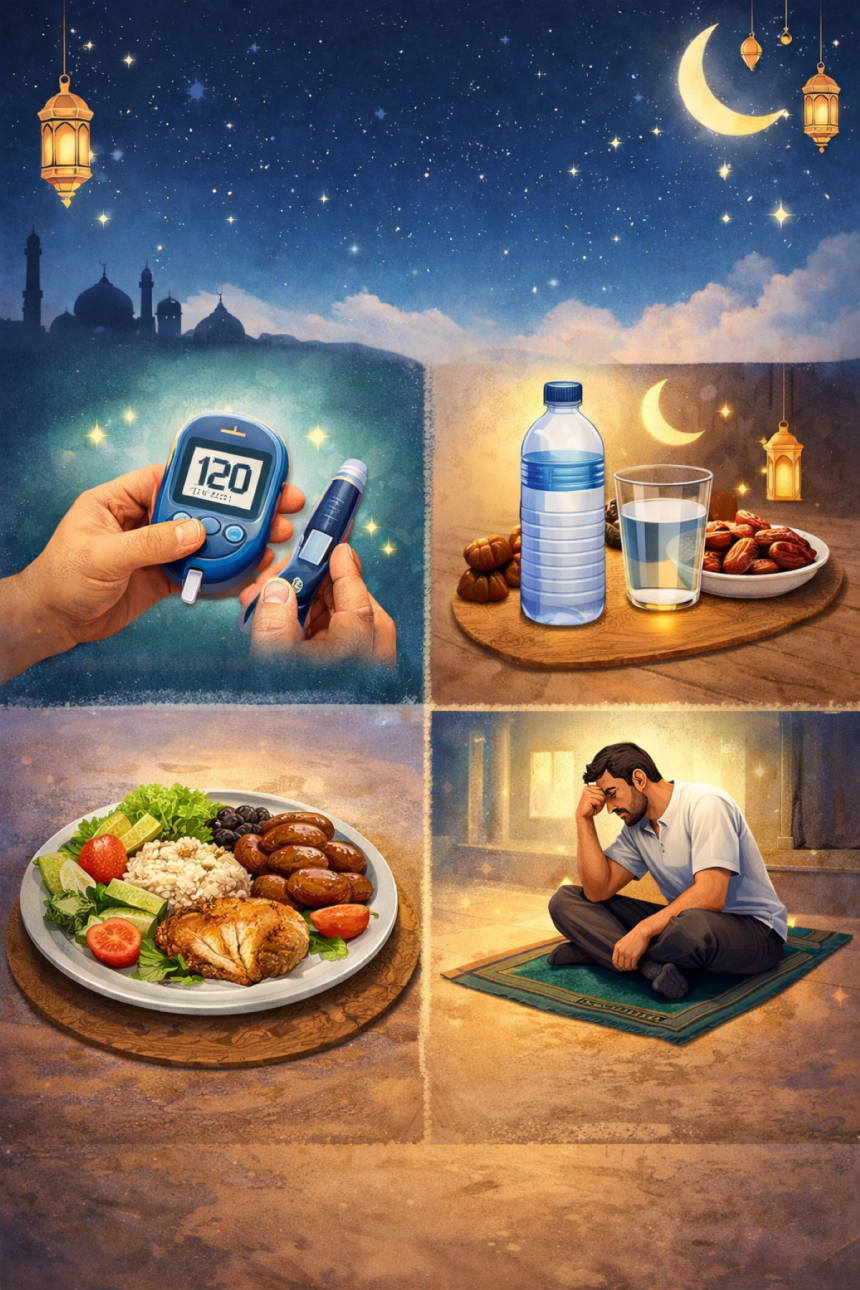
Health professionals recommend breaking the fast slowly. Many people begin with water and small portions of dates or fruit before eating a balanced meal. Limiting foods high in sugar, salt, and saturated fat reduces the risk of blood sugar spikes and other health problems.
Monitor blood sugar regularly
Regular blood sugar monitoring is very important for people with diabetes during Ramadan. It easily detects dangerous changes in glucose levels early.
Checking your blood sugar does not break the fast. So it’s important to monitor it, which allows you to know when your sugar levels are too low or too high and when it may be necessary to stop fasting. It’s recommended to check blood sugar several times during the day, including before sahur, in the afternoon, and after iftar.
Adjust medication with medical advice
People who take insulin or oral diabetes medicines may need to adjust the timing or dosage of their medication during Ramadan. Because meals are taken at different times, the usual medication schedule may not work the same way.
Diabetic patients are advised to consult their healthcare provider before, especially during the last days of Ramadan, so that a safe plan can be made. Adjusting medication without medical advice can increase the risk of low blood sugar.
Drink enough water
Dehydration can make blood sugar control more difficult and may lead to weakness or dizziness. Because people do not drink during the fasting hours, it is important to drink enough fluids between iftar and sahur.
It’s recommended to drink water regularly during the night and include hydrating foods such as fruits, vegetables, and soups in meals.
Stay active in a moderate way
Physical activity helps to control blood sugar levels, but heavy exercise during fasting hours may increase the risk of hypoglycaemia.
Therefore, light activities such as walking after iftar, evening prayers during Taraweeh, and Tahajjud serve the dual purpose of getting rewards and exercising the body.
ALSO READ: https://tribuneonlineng.com/ramadan-foods-you-can-use-for-zakat-al-fitr/
WATCH TOP VIDEOS FROM NIGERIAN TRIBUNE TV
- Relationship Hangout: Public vs Private Proposals – Which Truly Wins in Love?
- “No” Is a Complete Sentence: Why You Should Stop Feeling Guilty
- Relationship Hangout: Friendship Talk 2025 – How to Be a Good Friend & Big Questions on Friendship
- Police Overpower Armed Robbers in Ibadan After Fierce Struggle


