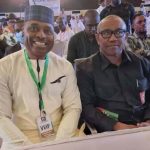
The presidential candidate of the Labour Party (LP), in the 2023 general election, Peter Obi, has criticised the President Bola Tinubu administration’s tax policies, arguing that Nigerians are being asked to pay more taxes without clear explanations, transparency, or visible benefits.
Obi, in a statement on X on Friday, said sustainable economic and social development can only be achieved when governments build national consensus anchored on honesty and transparency.
He noted that countries that have recorded lasting progress did so under leaders who were truthful with their citizens and prioritised collective prosperity over personal enrichment.
According to him, taxation should operate as a genuine social contract between the government and the people, stressing that any tax policy must be clearly communicated, fair in its application, and sensitive to citizens’ welfare.
Obi argued that without a proper explanation of how taxes affect incomes and contribute to development, taxation becomes a burden rather than a tool for growth.
He maintained that Nigeria’s current approach to taxation undermines economic growth and national unity, insisting that the primary goal of fiscal policy should be to make citizens wealthier so the country itself can grow stronger.
The former governor emphasised that economic recovery should begin with empowering small and medium-sized enterprises, noting that thriving small businesses create jobs, raise incomes, and naturally expand the tax base.
He warned that poverty cannot be eliminated through taxation alone but through increased production and enterprise.
Obi also expressed concern over what he described as an unprecedented tax fraud controversy, alleging that a tax law was forged for the first time in Nigeria’s history.
He said the National Assembly had acknowledged that the version of the law gazetted was different from what was passed, yet citizens were still being subjected to higher taxes under the disputed framework.
He cautioned against celebrating increased government revenue at a time when citizens are becoming poorer, arguing that taxing the poor only worsens hardship and contradicts the principles of good governance.
Obi called for a fair, lawful, and people-centred tax system that supports production, rewards enterprise, protects vulnerable citizens, and rebuilds trust between the government and the people, saying only such a framework can make taxation a true instrument for unity, growth, and shared prosperity.
He said, “Prosperity cannot come by taxing Poverty
“As I travel the world and meet leaders who have transformed their nations, one lesson is clear: lasting economic and social progress begins with national consensus. Transformative leaders—those who successfully unite their people around a shared vision—share a defining quality: honesty. Government must be transparent and truthful because citizens deserve nothing less from those who lead them. True leaders do not exploit their people to enrich themselves and a few cronies; they build trust, unity, and shared purpose – the foundation of sustainable progress.
“It is against this standard of honest leadership that Nigeria’s current approach to taxation must be measured. If taxation is to function as a genuine social contract, it must be rooted in sincerity, fairness, and concern for the welfare of the people. Every tax policy should be clearly explained, including its impact on incomes and its expected contribution to national development. Without this transparency, taxation becomes a tool of confusion and burden rather than a mechanism for growth and development.
“Nigeria must rethink taxation if it is serious about economic growth, national unity, and shared prosperity. The purpose of sound fiscal policy is not merely to raise revenue; it is to make the people wealthier so that the nation itself becomes stronger. Yet today, Nigerians are asked to pay taxes without clarity, explanation, or visible benefit.
“The solution begins with empowering small and medium-sized enterprises in every community. When small businesses thrive, jobs are created, incomes rise, and the tax base expands naturally. You cannot tax your way out of poverty – you must produce your way out of it.
“This makes the ongoing tax fraud saga particularly alarming. For the first time in Nigeria’s history, a tax law has reportedly been forged. The National Assembly itself has admitted that the version gazetted is not what was passed into law. Yet citizens are being asked to pay higher taxes under this manipulated framework—without transparency, without explanation, and without corresponding benefits.
“There is no virtue in celebrating increased government revenue while the people grow poorer. Taxing poverty does not create wealth; it deepens hardship. Any tax system that makes citizens poorer violates the fundamental principles of good governance and sound fiscal policy.
“Nigeria needs a fair, lawful, and people-centred tax system—one that supports production, rewards enterprise, protects the vulnerable, and restores trust between government and citizens. Only then can taxation become a true tool for unity, growth, and shared prosperity. -PO”
ALSO READ TOP STORIES FROM NIGERIAN TRIBUNE
WATCH TOP VIDEOS FROM NIGERIAN TRIBUNE TV
- Relationship Hangout: Public vs Private Proposals – Which Truly Wins in Love?
- “No” Is a Complete Sentence: Why You Should Stop Feeling Guilty
- Relationship Hangout: Friendship Talk 2025 – How to Be a Good Friend & Big Questions on Friendship
- Police Overpower Armed Robbers in Ibadan After Fierce Struggle