

Summary
…Tesla will likely sell Optimus to public by end of 2027
…Tesla Optimus to cost between $20,000 and $30,000
…safety concerns, AI limitations, and regulatory hurdles remain significant challenges
Have you ever thought of owning a humanoid robot for less than the price of a new car? I know it sounds like sci-fi, right? That’s exactly the future Tesla is teasing with its Optimus robot. And with Elon Musk confidently throwing around bold timelines and price targets, people aren’t just curious anymore— they’re ready to buy.
- Summary
- …Tesla will likely sell Optimus to public by end of 2027
- …Tesla Optimus to cost between $20,000 and $30,000
- …safety concerns, AI limitations, and regulatory hurdles remain significant challenges
- Capabilities of Tesla’s humanoid robot
- When will Tesla Optimus be released?
- How it started (2021)
- From concept to movement (2022–2024)
- What’s Next (2025 and beyond)
- Why the rollout will be slow (And why that’s a good thing)
- So, what’s the real answer?
- How much will Tesla Optimus cost?
- What it may cost in 2026
- “Cheaper than a Car” — Not just a headline
- Why Tesla thinks it can keep prices low
- Is Tesla Optimus available for purchase?
- How you might buy Tesla Optimus when it launches
- Why everyone is talking about Tesla Optimus
- What Tesla isn’t telling you yet
But here’s where it gets interesting: when will Tesla Optimus actually be released? How much will it really cost in 2026? And can regular people like you walk in and buy one? These are the questions this article will try to answer.
Capabilities of Tesla’s humanoid robot
I’m sure you want to know the promise behind Tesla Optimus. Yes, a robot that can walk into a room, carry a box, sort items on a shelf, and even recognize what’s in front of it—all without constant supervision. Unlike traditional robots built for a single task, Optimus is designed to be flexible, adaptable, and smart enough to tackle a variety of physical and cognitive challenges.
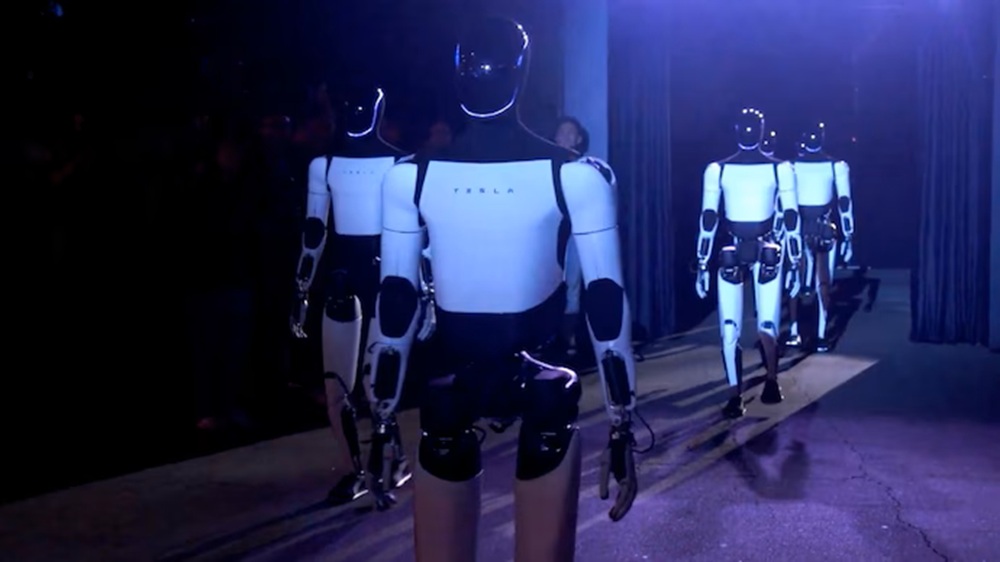
Powered by advanced AI systems borrowed from Tesla’s self-driving technology, Optimus isn’t just a mechanical body; it can “see,” understand its environment, and make decisions based on what it detects. From warehouses to factories, and potentially even homes in the future, this humanoid robot could handle repetitive tasks that normally tie humans to monotonous labor, giving people more time to focus on creative or complex work.
In short, Tesla Optimus aims to blend mobility, intelligence, and practical utility into a single machine, making it one of the most ambitious humanoid robots ever developed.
Physical Tasks
Tesla Optimus can handle a variety of basic physical duties:
- Lifting and carrying objects
- Sorting items efficiently
- Performing repetitive tasks in controlled settings
Think of it as a tireless assistant that doesn’t take breaks or complain.
AI Abilities
Optimus isn’t just a mechanical body—it’s powered by AI systems borrowed from Tesla’s self-driving cars:
- Vision and object recognition
- Responding to simple commands
- Learning through demonstrations
These capabilities let it navigate factory floors, warehouses, and potentially homes in the future.
Real-World Use Cases
Right now, Optimus is best suited for:
- Warehouses: Picking, packing, and moving items
- Manufacturing: Assisting with assembly lines and repetitive tasks
- Home assistance (future): Tasks like cleaning, moving objects, and general help are being explored—but not ready yet
When will Tesla Optimus be released?
Tesla hasn’t pinned down a hard release date. No official launch day, no pre-order window for now. But if you follow the breadcrumbs, a pattern shows up.
Back in 2021, Optimus was just an idea. It honestly felt more like a concept than a product. Fast forward a couple of years, and Tesla started showing real progress. The robot could walk, carry objects, and even perform simple tasks without falling over. Not bad for something people once laughed at.
How it started (2021)
Back in 2021, Tesla introduced Optimus during its AI Day event. At the time, it felt ambitious. There wasn’t a working robot on stage—just a concept and a person in a suit. A lot of people brushed it off. Maybe, fair enough.
From concept to movement (2022–2024)
Then things picked up. Over the next couple of years, Tesla showed real prototypes. Not perfect, not polished but real.
We saw Optimus and it Walks (a bit stiff, but steady); Carry objects and perform simple, repetitive tasks. Each demo felt like a step forward. Not a giant leap but progress you couldn’t ignore.
What’s Next (2025 and beyond)
Now, here’s where Tesla is heading:
- 2025: Early deployment inside Tesla factories
- 2026: Limited expansion—likely with business partners
- Beyond 2026: Gradual scaling, possibly toward wider availability
But here’s the key thing; there’s still no confirmed mass-market release date. And that’s not Tesla being secretive. It’s just the reality of building something this complex.
Why the rollout will be slow (And why that’s a good thing)
If you’re picturing robots hitting store shelves overnight, pump the brakes. Tesla is expected to roll this out in phases:
- Factories (internal use)
- Enterprise (business adoption)
- Consumers (eventually)
That order matters. You want to ask me why? Very simple; because factories are controlled environments. Fewer surprises. Fewer risks. It’s the perfect place to test, fail, fix, and improve.
By the time Optimus reaches regular buyers—whenever that happens—it’ll (hopefully) be far more reliable.
So, what’s the real answer?
If you’re looking for a specific date, there isn’t one. However, there is a realistic window.
- Early access: Around 2025–2026 (but not for the public)
- Consumer availability: Still uncertain, likely later
In short, Tesla Optimus is coming, but it’s taking the scenic route, not the fast lane. And honestly, for something like this, that’s probably the smartest move.
How much will Tesla Optimus cost?
Price is always one of the first questions on everyone’s mind when it comes to Tesla products, much less we talk about Optimus. Elon Musk has set an ambitious long-term target of around $20,000, making it cheaper than many new cars and even competitive with annual labor costs. Early models in 2026, however, are expected to land between $25,000 and $40,000.
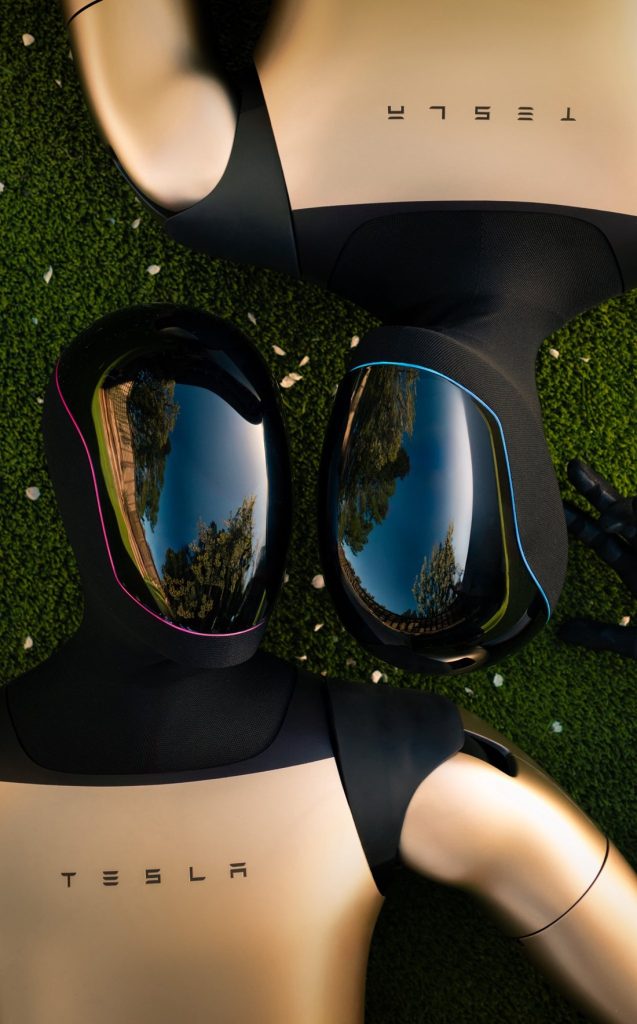
I know you have a question. What’s the reason for this “affordable robotics” push? Good. And that’s Tesla’s massive manufacturing scale and reuse of AI from its autonomous driving systems. While it’s not pocket change, Optimus could bring humanoid robots into reach far sooner than anyone imagined.
What it may cost in 2026
Let’s be real, new tech almost always starts expensive. A more realistic estimate for early versions in 2026 would be:
- $25,000 to $40,000
That’s based on how advanced hardware typically rolls out; limited supply, higher costs, gradual price drops over time.
“Cheaper than a Car” — Not just a headline
Here’s the part that makes people pause. Even at $30,000, Tesla Optimus could still be:
- Cheaper than many new cars
- Less than a year’s salary for some jobs
So, the idea of a robot that costs less than a car is not just hype, it’s within reach. And when you look at it from a business angle, it gets even more interesting. Instead of thinking, “That’s expensive,” companies might think:
“Wait… that’s cheaper than hiring someone long-term.”
That’s where Optimus stops being a gadget and starts becoming an investment.
Why Tesla thinks it can keep prices low
At first, building a humanoid robot sounds incredibly expensive, and it is. But Tesla has a few advantages most companies don’t.
- Manufacturing at scale: Tesla already produces millions of vehicles
- Shared AI systems: The same tech behind autonomous driving feeds into Optimus
- Tight control over production: Tesla builds much of its hardware in-house
In simple terms, they’re not reinventing everything; they’re reusing what they’ve already built— and that helps cut costs.
Is Tesla Optimus available for purchase?
Tesla Optimus has captured imaginations, but the big question remains: can you actually buy one? In 2026, the answer is still no. For now, Tesla is keeping the robot out of public hands. Initial units are heading to Tesla factories and select enterprise partners, giving businesses a first taste of humanoid automation. May be available to the public by end of 2027, according to Fox Business, quoting Elon Musk.
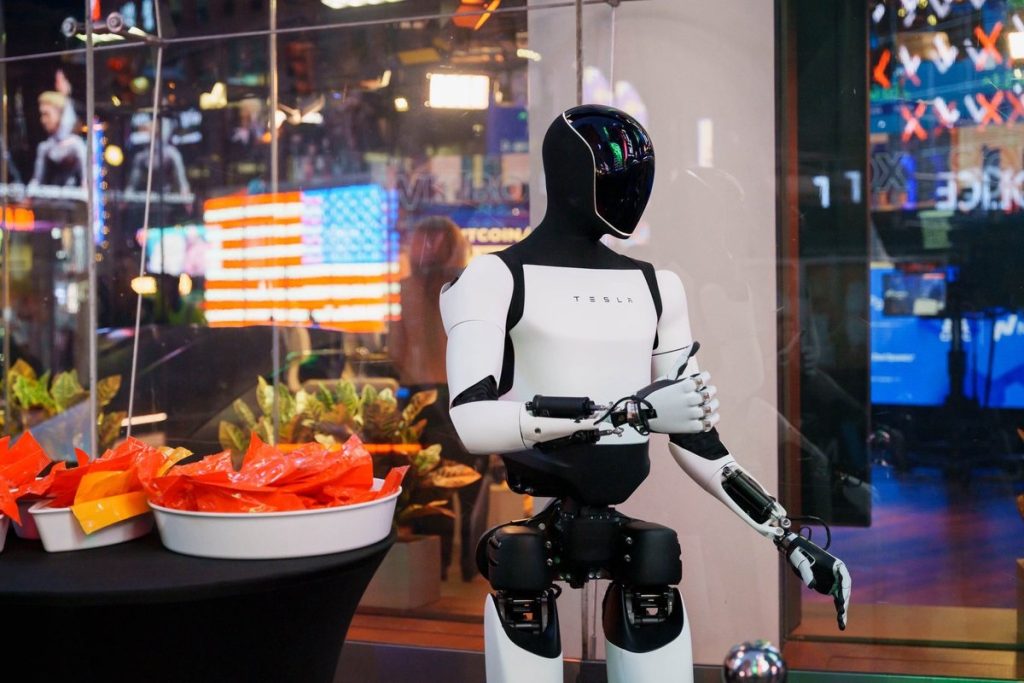
While preorders and consumer sales haven’t been announced, the slow rollout hints at a future where public access is possible. For enthusiasts and early adopters, it’s a waiting game, but understanding the current availability helps set realistic expectations before Optimus eventually steps into everyday life.
Who will get it first?
Tesla isn’t starting with everyday buyers. Instead, they’re focusing on controlled environments where things can be tested properly.
Here’s the expected order:
- Tesla factories: First in line
- Large enterprises: Next phase (think logistics, manufacturing)
This approach makes sense. Fewer variables, fewer risks, and more room to improve the system before it reaches the public.
What about preorders or early access?
Now, this is where things get a bit speculative. After everything you have read to this point, I know this is a question you’re hitching to ask Elon Musk if the billionaire businessman was to be sitting right in front of you.
- Preorders? Not announced
- Early programs? Possible, but not confirmed
- Enterprise deals? Very likely
Tesla hasn’t said anything official about opening sales yet. But given how they’ve launched products in the past, early access—if it happens—will probably be limited and controlled.
In short, Tesla Optimus isn’t something you can walk out and buy today. But it’s not stuck in the lab either—it’s moving forward, just at a measured pace.
How you might buy Tesla Optimus when it launches
Buying a humanoid robot might sound like science fiction, but Tesla is slowly turning that into reality. While Tesla Optimus isn’t available for public purchase in 2026, it’s worth imagining how the process could work once it launches. Much like ordering a Tesla vehicle, future buyers will likely follow a structured path: first targeting enterprise clients and industrial partners, then gradually opening access to individual consumers.
Likely channels
- Tesla website: Just like ordering a car, direct online purchases could be the main channel.
- Enterprise contracts: Businesses will almost certainly get first access before consumers
Possible buying models
- Direct purchase: Pay upfront for ownership
- Leasing/subscription: Monthly or annual plans may be offered, especially for enterprises
What you’ll need to prepare
- High upfront cost: Even at $25,000–$40,000, this is a serious investment
- Maintenance ecosystem: Expect Tesla to provide software updates, repair services, and support packages, similar to their vehicles
I’m sure you know that buying a Tesla Optimus won’t be as simple as grabbing a gadget off a shelf. But it will likely mirror the Tesla car experience: online ordering, structured rollout, and optional service plans.
Why everyone is talking about Tesla Optimus
Tesla Optimus isn’t just another robot, it’s a peep into a future where machines could transform how we work, live, and interact. From handling repetitive factory tasks to potentially assisting in homes, Optimus promises to tackle jobs humans often find tedious or exhausting.
Labor Disruption
Optimus could handle repetitive, physically demanding tasks that humans currently do. Think assembly lines, warehouses, or logistics. For businesses, that’s a chance to reduce costs and improve efficiency, but it also raises questions about workforce shifts.
Automation at Scale
Unlike specialized robots, Optimus is designed for general-purpose tasks. That flexibility means one robot could replace multiple tools or even multiple workers. Scaling this across factories or warehouses could transform industries rapidly.
Economic Implications
Replacing repetitive jobs with robots has a ripple effect. Companies save on wages and benefits, but society will need to adapt to changing labor needs. That’s why Optimus isn’t just tech news—it’s economic news.
Long-term vision: Household robots
While early Optimus versions focus on factories and businesses, Tesla’s ultimate goal is far bigger: household robots that can help with chores, errands, or even caregiving. If that happens, the way we live at home and how families divide labor could shift dramatically.
What Tesla isn’t telling you yet
While Tesla Optimus is generating headlines and capturing imaginations, there’s a reality that often gets overlooked. The robot is still very much in development, and its capabilities are far from flawless. Safety concerns, AI limitations, and regulatory hurdles remain significant challenges that Tesla hasn’t fully addressed publicly.

Early prototypes perform basic tasks, but complex real-world scenarios could reveal unexpected glitches or risks. Understanding these realities is crucial for anyone excited about owning or interacting with Optimus because behind the hype lies a machine still learning, adapting, and exploring the tricky path from prototype to everyday assistant.
Still in development
Optimus is functional in controlled demos, but real-world performance is far from perfect. Expect bugs, glitches, and lots of fine-tuning before wide deployment.
Safety concerns
Humanoid robots have moving parts, AI decision-making, and strength that can be dangerous if mishandled. Tesla will need rigorous safety protocols before anything hits homes or factories.
AI limitations
Optimus isn’t sentient. Its AI can follow instructions and recognise objects, but it struggles with complex judgment, context, and unpredictable human behavior. Don’t expect a robot butler that thinks like a human—at least for now.
Regulatory hurdles
Selling humanoid robots isn’t just about tech. Governments will likely regulate usage, workplace safety, liability, and insurance. These hurdles could slow down or shape the rollout in ways Tesla hasn’t disclosed.
WATCH TOP VIDEOS FROM NIGERIAN TRIBUNE TV
- Relationship Hangout: Public vs Private Proposals – Which Truly Wins in Love?
- “No” Is a Complete Sentence: Why You Should Stop Feeling Guilty
- Relationship Hangout: Friendship Talk 2025 – How to Be a Good Friend & Big Questions on Friendship
- Police Overpower Armed Robbers in Ibadan After Fierce Struggle


