
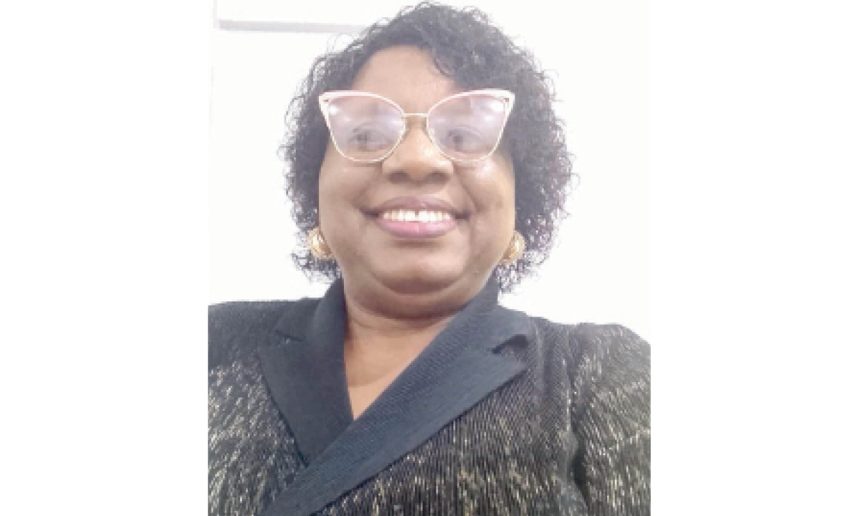
Dupe Awosemusi is an astute legal practitioner, a social worker and the pioneer Coordinator of Oyo State Sexual and Gender-Based Violence Response Team, a former Chairperson of FIDA, Oyo State and currently a Director in the Ministry of Justice. She speaks with ADEOLA OJO on various forms of abuse, restrictive abortion laws and reproductive health laws among others
Will you say abuse is just physical?
No, abuse is not just physical. Indeed, abuse is multi-faceted, it is in various forms; I want to talk about physical abuse using the Southwest as reference, there are different forms of abuse around us and they are all dangerous to the health even more than the physical abuse that many understand and believe. There is emotional abuse, psychological abuse, economic or financial abuse and sexual abuse among others. Emotional abuse is very common amongst couples and it can lead to suicidal thoughts. Economic and financial abuse can be used interchangeably, economic abuse is when a husband prevents his wife from having access to resources they should both have.
In clear terms, physical harm, injury or threat of harm, such as hitting, pushing, or restraining is physical abuse and this is what people understand. But there are more dangerous forms; emotional abuse which is the verbal or non-verbal behavior that can cause emotional harm, such as insults, humiliation, or manipulation, verbal abuse which includes using words to harm, intimidate or control someone like yelling, name-calling or threats then the economic or financial abuse which is in the form of controlling or exploiting someone’s financial resources, such as withholding money, stealing, or coercing financial decisions.
We also have a more common type which is neglect; that is, failing to provide necessary care, support or attention to someone, such as abandoning or withholding basic needs like food, water, or shelter and psychological abuse which is manipulating or controlling someone’s thoughts, feelings or behaviors, such as gas lighting, mind games, or emotional manipulation. When we talk about sexual abuse, then we must emphasise that it often leads to being emotionally bruised and stalking is also a form of abuse that people overlook, it is when you have someone following you positively or negatively, especially on social media.
How does different types of abuse impact victim?
Physical abuse gives scars, bruises, strangulation, acid bath, thereby causing the victims to lose some parts of their bodies or death as a result of physical combats. Survivors are people who survive abuse while victims are those that die as a result of the abuse. Talking about the psychological impact of abuse, a lot of people die in installments, that is, gradually.
The emotional impact of abuse is worse than the physical impact which can lead to low self-esteem because when one has lost his/her self-esteem, that life is as good as gone. Economic abuse can lead to extramarital affairs and the effects of abuse are enormous.
ALSO READ: VIDEO: MC Oluomo regains control of NURTW secretariat in Abuja
Are there people or a demographic more vulnerable to abuse?
Everybody is prone to abuse whether male or female, some certain sets of people are vulnerable to abuse ranging from people with disability, aged, school children, teenagers and girls but some set of people are more vulnerable; they are people living with some form of disability or people in IDP camps. This is because they know they are abused but can’t get justice because their impairment makes it difficult. Example of this is the case of a blind person that is raped, identifying the perpetrator is difficult, and also, I have seen the case of a deaf and dumb person that was abused, it was difficult for her to explain her situation. These people are more vulnerable just like an internally displaced person, they have no choice than to stay in the camp where they are abused which makes it more difficult for them to avoid further abuse or fight for justice.
Can outsiders recognize abuse?
Yes. And some signs to consider are unexplained injuries or physical harm, changes in behavior, mood, or personality, fear, anxiety, or avoidance of certain situations or people, difficulty making decisions or asserting oneself and feeling trapped, controlled, or manipulated.
Why does it seem that abortion is carried out on a daily despite Nigeria’s restrictive laws?
Abortion appears to be carried out daily in Nigeria not because the law allows it, but because the law does not stop the need for abortion. Several structural, social, and health-system factors play critical roles in this reality.
Restrictive laws do not prevent abortion rather; they push it underground. Nigeria’s abortion law permits termination only to save a woman’s life. However, globally speaking, restrictive laws have never eliminated abortion anywhere. Instead, they drive abortion into clandestine and unsafe settings thereby forcing women and girls to seek services from untrained providers, chemists, traditional practitioners, or self-induce using drugs. A lot of unintended pregnancies occur and women who find themselves in that situation still make decisions based on their realities, not the law.
Secondly, abortion is common because unintended pregnancy is common. This is as a result low modern contraceptive prevalence, high unmet need for family planning, especially among adolescents and unmarried women, stock-outs, cost barriers, and provider bias against young or unmarried women and sexual violence, incest, and coercive sex. It should be noted that when a pregnancy is unintended and continuing it feels impossible, abortion becomes the perceived option.
Furthermore, poverty and socio-economic pressures push some women into terminating pregnancies. For example, a woman whose husband does not care for her and the children or a couple whose capacity cannot cater for more than two children gets pregnant. The next option is termination, and unfortunately our abortion law does not take into cognizance circumstances beyond the control of the carrier of the pregnancy. Many women terminate pregnancies because they cannot afford another child, or they are students and fear loss of education or they are unemployed and don’t have family support or means of livelihood. Don’t forget we are in a society where social norms severely/heavily stigmatize adolescent pregnancy, pregnancy outside marriage, pregnancy from rape or incest and single motherhood. Fear of shame, expulsion from school, family rejection, or violence pushes women and girls to seek abortions secretly and quickly and for many, continuing the pregnancy poses greater economic risk and most importantly mental/psychological trauma than the health risk of unsafe abortion. It should be noted that where the mental health is threatened, the life is threatened.
Furthermore, even with restrictive laws, abortion pills (misoprostol, often with or without mifepristone) are widely available through pharmacies, patent medicine vendors, and informal networks and information spreads through peers, social media, and community networks, which makes abortion accessible, though often unsafe, and contributes to its daily occurrence.
Weak enforcement and selective application of the law also contribute to high rate of unsafe abortion. In practice, the law is rarely enforced against providers or women; enforcement is inconsistent and often class-based and also wealthier women access relatively safer procedures quietly, while poorer women face unsafe conditions and prosecution risks. This creates a reality where abortion happens routinely but inequitably. There are also gaps and silence in our health system and because abortion is criminalized, providers are poorly trained in post-abortion care and harm reduction. Women also delay seeking care when complications occur, thereby increasing morbidity and mortality, while underreported Data masks the true scale of the issue. The silence around abortion does not mean it is rare, it means it is hidden.
Some advocates are calling for the expansion of the scope of abortion laws in Nigeria, what do you think about this?
Honestly, this is a complex but important debate, and considering abortion as a public health issue, human rights principles, and the realities on the ground in Nigeria, my view is that expanding the scope of abortion laws deserves serious consideration as part of a broader strategy to reduce maternal morbidity and mortality and protect women’s rights. Decades of global evidence show that restrictive abortion laws do not significantly lower abortion rates, instead, they push people toward unsafe procedures, untrained providers, or clandestine self-management without support. In Nigeria, where restrictive laws limit legal abortion to cases to save a woman’s life, the reality is that many women still seek terminations, often unsafely, because their lived circumstances don’t change just because a law exists. Expanding legal grounds can help bring abortions into safe clinical settings where they are medically supervised.
WATCH TOP VIDEOS FROM NIGERIAN TRIBUNE TV
- Relationship Hangout: Public vs Private Proposals – Which Truly Wins in Love?
- “No” Is a Complete Sentence: Why You Should Stop Feeling Guilty
- Relationship Hangout: Friendship Talk 2025 – How to Be a Good Friend & Big Questions on Friendship
- Police Overpower Armed Robbers in Ibadan After Fierce Struggle


