A Professor of Medicine at the Emory University School of Medicine, Prof Modele Ogunniyi, has warned that hypertension remains one of the gravest threats to global public health, with Black populations disproportionately affected.
She spoke during an Ibadan College of Medicine Alumni Association (ICOMAA) Worldwide webinar titled “From Guidelines to Practice: Key Updates and Insights from the 2025 AHA/ACC Hypertension Guidelines.”
Prof Ogunniyi described high blood pressure as “the most prevalent and modifiable risk factor for cardiovascular disease worldwide,” calling for renewed urgency among clinicians, policymakers, and communities.
According to her, more than 1.3 billion adults worldwide have hypertension, inclusive of nearly half of all adults in Africa, while approximately one in three Nigerian adults has high blood pressure.
“Despite decades of data and effective therapies, hypertension control rates remain abysmally low across the globe, particularly among racial and ethnic minorities.
Prof Ogunniyi noted that hypertension fuels a wide range of cardiovascular and metabolic diseases, including coronary artery disease, heart failure, atrial fibrillation (irregular heart beats), stroke, dementia, chronic kidney disease, and premature death.
ALSO READ: JUST IN: Senate rejects electronic transmission of election results
She added that blood pressure control has shown little improvement over time, citing nationwide data in Nigeria that revealed widespread and largely uncontrolled hypertension.
Highlighting key recommendations from recent hypertension guidelines, she emphasized that blood pressure control remains a major public health priority, especially in low- and middle-income countries (LMICs).
She stated that the guidelines recommend controlling blood pressure to below 130/80 mmHg for most adults, with an ideal systolic target of less than 120 mmHg, where it is safely achievable.
According to her, strong evidence shows that lower blood pressure significantly reduces the risk of heart disease, stroke, kidney disease, dementia, and all-cause mortality.
Prof Ogunniyi stressed that hypertension management should move beyond isolated blood pressure readings to a risk-based treatment approach.
“This approach ensures that treatment intensity matches patient risk, while avoiding unnecessary medication in low-risk individuals,” she said.
She underscored the importance of lifestyle and psychosocial interventions, including maintaining a healthy body weight, engaging in regular physical activity, reducing sodium intake, increasing dietary potassium intake, limiting alcohol consumption, and stress management.
She noted that potassium-based salt substitutes offer a practical way to lower blood pressure, particularly among Black individuals, who are more likely to have salt-sensitive hypertension.
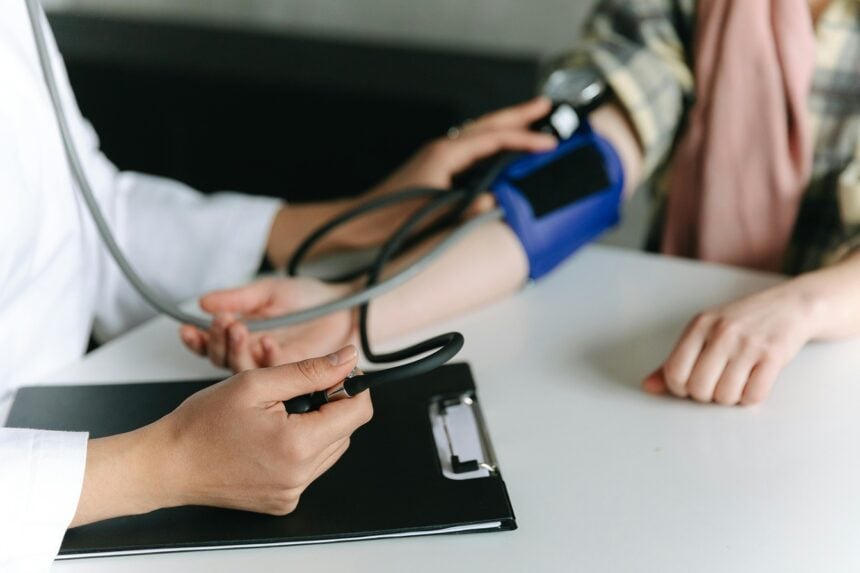
Emphasizing the importance of accurate measurements, Prof Ogunniyi advocated the routine use of validated home blood pressure monitors, noting that home readings are often more reliable than clinic measurements and can help identify white-coat hypertension.
She cautioned against relying on smart-watches and other non-validated devices because of accuracy concerns.
She also endorsed telehealth, standardised treatment protocols, electronic health records, and multidisciplinary, team-based care to improve hypertension control, particularly in resource-limited settings.
Describing hypertension control as “low-hanging fruit” in the fight against cardiovascular disease, she said: “We know what to do. The challenge now is its implementation. If we get blood pressure right, we save hearts, brains, kidneys, and lives.”
The chairman of the occasion, Prof. Solomon Kadri, acknowledged that hypertension control remains more challenging in Nigeria due to cost, limited access to care, and low awareness.
“Getting people to 140/ 90 mmHg is already difficult. It is even more difficult in Nigeria than in developed countries,” he said, expressing optimism that the wider availability of medications and improved knowledge would strengthen hypertension care nationwide.
WATCH TOP VIDEOS FROM NIGERIAN TRIBUNE TV
- Relationship Hangout: Public vs Private Proposals – Which Truly Wins in Love?
- “No” Is a Complete Sentence: Why You Should Stop Feeling Guilty
- Relationship Hangout: Friendship Talk 2025 – How to Be a Good Friend & Big Questions on Friendship
- Police Overpower Armed Robbers in Ibadan After Fierce Struggle