
Prices do not need to go up a lot to change people’s lives. Small increases are enough. Groceries cost more. Fuel runs out faster. Even a coffee, bus ride, or simple meal starts to feel expensive.
So people adjust. Not always in a dramatic way. They do not suddenly stop shopping, traveling, or enjoying themselves. They just pause more often. They check the price. They compare. They ask whether the thing is worth it right now.
That is where the real change begins. Rising costs are not only changing what people buy. They are changing how people think before they buy their next ticket for wrestling betting.
Shopping Now Comes With More Thinking
A normal trip to the store feels different when prices keep moving. Someone may plan to buy five things but leave with four. Another person may choose a cheaper brand. A parent may check the price before buying snacks.
These small choices matter. People shop more carefully now. They still want good quality, but not higher prices just for a brand.
People care more about value now. If a cheaper item works well, they buy it. If a brand is too expensive, they may stop buying it. They want their money to last longer.
The Basket Looks A Little Different
Rising costs often show up in the shopping basket first. Some items are still there every week. Others appear less often. A family may still buy fresh food, but skip the extra snacks. Someone may still buy cleaning products, but choose a larger pack because it lasts longer.
There is also more planning. People check what they already have at home. They think about meals before going to the shop. They look at dates, portions, and waste. Throwing food away feels worse when it costs more than last year.
This does not mean every choice is about saving the smallest amount. Sometimes people spend more on one product because it lasts longer. A better pair of shoes may replace two cheaper pairs. A good kitchen tool may help a family cook at home more often. The question is no longer only, “Is this cheap?” It is, “Will this be useful enough?”
Travel Is Still Wanted, But It Looks Different
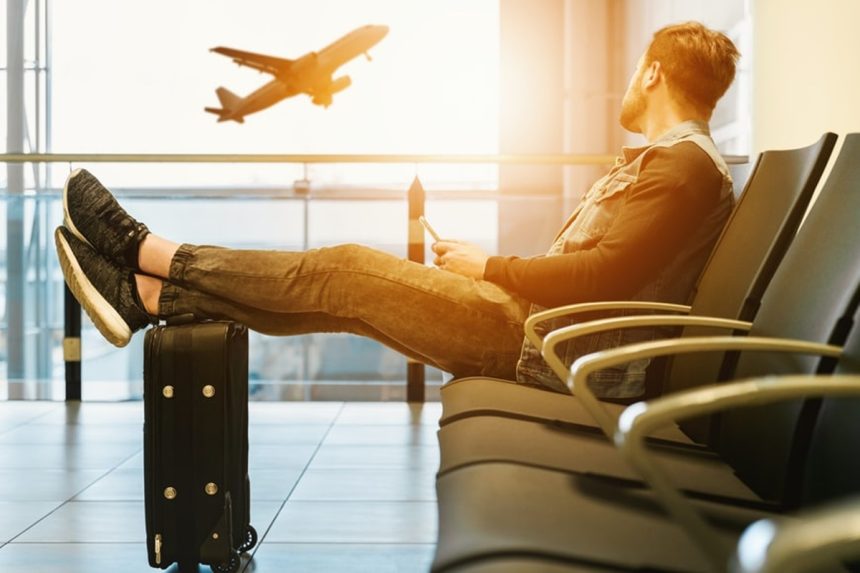
Most people do not want to give up travel. A change of place still matters. A short break can help someone rest, reset, or spend time with family. But travel plans now face more questions.
How much will the fuel cost? Is the flight price really the full price? What about luggage? What about food? What about taxis after arrival? A trip may look cheap at first, but extra costs can make it more expensive.
Because of this, people are changing the shape of their trips. A week away may become three nights. A faraway city may become a nearby town. A hotel may be replaced by a guesthouse, rented flat, or family home. The desire to travel is still there. The style of travel is simply becoming more practical.
Entertainment Has To Earn Its Place
Entertainment is not gone from people’s lives. They still want films, concerts, games, restaurants, sports, and days out. But the choice is more careful now.
A night out has to compete with rent, food, fuel, bills, and school costs. So people ask more from it. Will it be fun enough? Is the price fair? Are there extra costs? Will it be worth the effort of going?
That is why some casual plans get canceled. A family may skip a cinema trip and watch something at home. Friends may meet for coffee instead of dinner. A couple may save for one good event instead of spending on several average nights out.
WATCH TOP VIDEOS FROM NIGERIAN TRIBUNE TV
- Relationship Hangout: Public vs Private Proposals – Which Truly Wins in Love?
- “No” Is a Complete Sentence: Why You Should Stop Feeling Guilty
- Relationship Hangout: Friendship Talk 2025 – How to Be a Good Friend & Big Questions on Friendship
- Police Overpower Armed Robbers in Ibadan After Fierce Struggle


