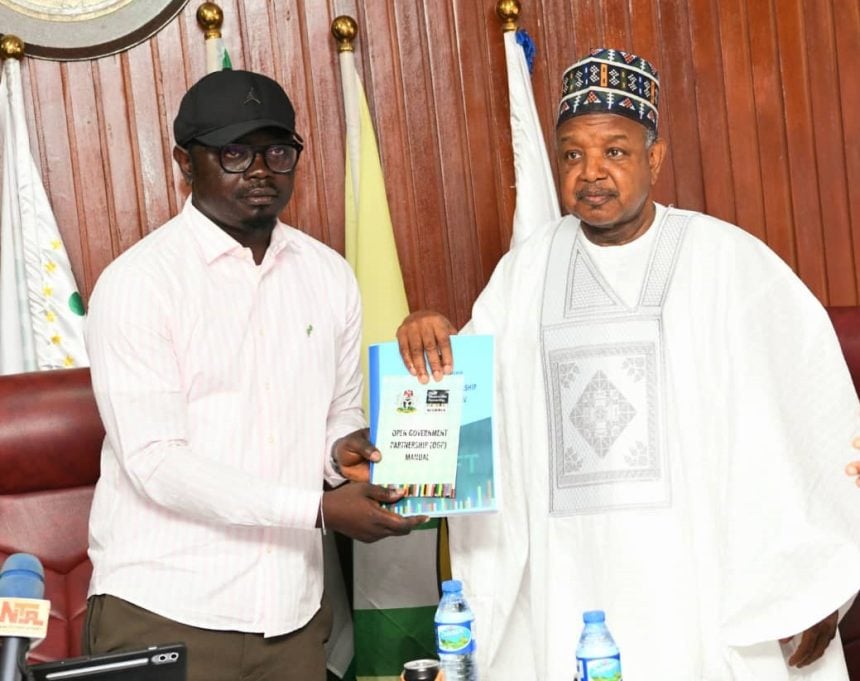
The Federal Government has unveiled a youth-driven National Action Plan IV (NAP IV), signalling a renewed push for transparency, accountability, and inclusive governance in Nigeria.
The Minister of Youth Development, Ayodele Olawande, announced the new framework during the 22nd National Steering Committee meeting of the Open Government Partnership in Abuja.
Olawande, who also handed over his role as State Actors Co-Chair of the OGP National Steering Committee, described the moment as one of reflection and optimism. He also appreciated stakeholders across government, civil society, the private sector, and development partners for their contributions to advancing open governance.
He noted that the development of NAP IV followed extensive consultations both nationally and internationally, ensuring that citizens, particularly young people, played a central role in shaping the new plan.
According to the minister, the successful implementation of National Action Plan III recorded gains in accountability, access to information, and citizen participation, strengthening Nigeria’s position on the global OGP platform.
The newly unveiled NAP IV outlines 12 commitments across six thematic areas, including digital governance, justice and human rights, anti-corruption, civic space, and climate action.
Olawande emphasised that the plan reflects the aspirations of a new generation seeking greater trust and openness in government.
He, however, stressed that the success of the initiative would depend on sustained commitment and effective implementation by all stakeholders.
In his inaugural remarks, the new State Actors Co-Chair and Minister of Budget and Economic Planning, Abubakar Atiku Bagudu, pledged to consolidate on existing achievements and deepen collaboration between state and non-state actors.
Bagudu reaffirmed the government’s commitment to improving fiscal transparency, combating corruption, and enhancing public service delivery.
Also speaking, the incoming Non-State Actors Co-Chair, Olusoji Apampa, commended the progress made in areas such as open budgeting, financial transparency, and access to information, noting that these reforms have delivered benefits to citizens.
He assured continued collaboration with the new leadership to sustain reforms and further strengthen open governance in Nigeria.