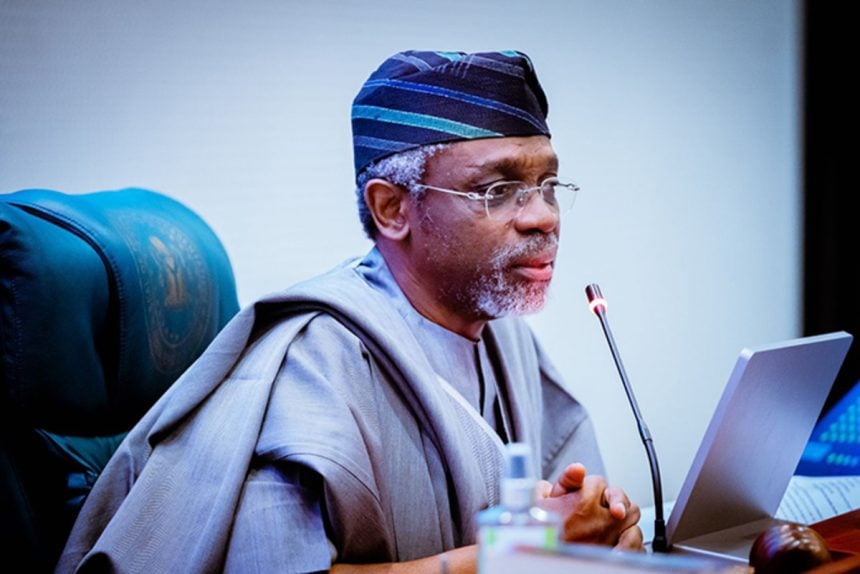
Chief of Staff to the President, Mr Femi Gbajabiamila, has urged political leaders to uphold the principle of rotational presidency between the North and the South to foster peace and unity in Nigeria.
Gbajabiamila made this call on Saturday in Abuja at a national summit organised by the National Forum of Former Legislators (NFFL), with the theme “National Unity and Nation Building: Beyond 2031”.
As a former Speaker of the House of Representatives, he emphasised that this rotational arrangement was intentionally designed to manage differences, ease tensions, prevent unnecessary conflict, and guide Nigeria towards unity and progress.
He stated that building unity across ethnic and tribal lines demands a conscious effort, ongoing dialogue, cross-regional alliances, and inclusive narratives that respect the dignity of all groups.
According to him, political leaders must consistently convey the message that disagreement does not equate to hostility, diversity is not disloyalty, and compromise in the national interest is a form of statesmanship, not a sign of weakness.
“Political actors like those gathered here hold a uniquely influential position. Your words shape public discourse, your actions model acceptable behaviour, and your choices can either expand or limit the space for cooperation,” he noted.
READ ALSO: Reps to resume debate on rotational Presidency bill, Wednesday
Gbajabiamila asserted that the principle of a rotational presidency between the North and South represents one of the clearest expressions of principled compromise that serves the national interest.
He described it as a concept rooted in the wisdom of earlier generations of political leaders who understood that, in a diverse nation like Nigeria, inclusion is fundamental to stability.
He cautioned those who wish to dismantle the rotational presidency principle for narrow, short-term political ambitions to pause and reflect. No personal aspiration or fleeting political gain should jeopardise the hard-won balance that sustains the nation or prioritise individual desires over the enduring interests and collective well-being of the Nigerian people.
Gbajabiamila also highlighted the danger of utilising identity as a shortcut to power, identifying it as a significant challenge in Nigerian politics. He warned that ethnic and tribal affiliations, deeply embedded in history and culture, could easily be manipulated into tools of political exclusion.
Though such strategies might result in short-term benefits, they risk causing long-term damage to national cohesion. “When political competition is conducted in ways that heighten ethnic suspicion, tribal rivalry, or religious fear, it erodes trust and undermines the foundations of the state,” he cautioned.
WATCH TOP VIDEOS FROM NIGERIAN TRIBUNE TV
- Relationship Hangout: Public vs Private Proposals – Which Truly Wins in Love?
- “No” Is a Complete Sentence: Why You Should Stop Feeling Guilty
- Relationship Hangout: Friendship Talk 2025 – How to Be a Good Friend & Big Questions on Friendship
- Police Overpower Armed Robbers in Ibadan After Fierce Struggle