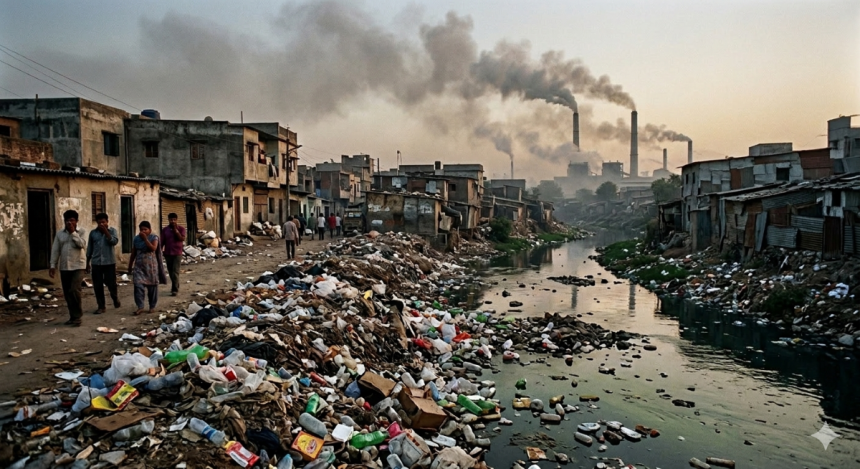
The dirtiest countries in the world are not keen enough on maintaining a clean environment. There is no efficient sewage management system. Citizens would rather pour refuse into the river, canal, or drainage system as a way of getting rid of it. These kinds of acts are dangerous, jeopardizing the health and disfiguring the community.
Below are the dirtiest countries in the world, as listed by Ultimatekilimanjaro:
Bangladesh
Irregular disposal of refuse that ends up in canals causes serious health hazards in Bangladesh. It turns the environment into an unfavourable place. Some factories and farmers, though driving exports, contribute to environmental pollution. When it rains, uncollected trash is pushed to the roadside —it stinks, and people still walk through it.
Pakistan
Pakistan is an industrious country, but one of the dirtiest at the same time. There is no system to ensure that wastes are properly disposed of. Used plastic bags and other burnt materials flood the streets after every downpour. This also enables the spread of disease.
Chad
Chad did not become one of the dirtiest countries in the world suddenly. Not every neighbourhood has access to proper garbage disposal. This fuels cholera, attracts flies, and domestic animals. The refuse is usually piled beside markets or along the streets.
India
This is a country with various booming industries, but there is a problem of waste management. India has an open defecation challenge, and heavy metals across different sewage systems endanger residents’ health.
Nigeria
Nigeria has been unable to design a working sewage management system across the country. Drainages get filled up, most especially during the rainy season, which definitely disfigures the environment and poses serious health risks to residents.
Iraq
Polluted water and dirt find their way to every single drainage, pit, or hole because waste disposal is not very concerning, which makes Iraq one of the dirtiest countries. Sewage flows into different downstreams, including farms. Farmers end up spraying crops with polluted water.
Democratic Republic of Congo
There are not enough trucks to transport refuse, particularly in the remote areas, which makes dirt pile up. Toxic materials find their way to the streams, causing respiratory and waterborne illnesses.
Nepal
Sometimes, in the course of getting rid of refuse, residents throw waste into the rivers, which of course, does not make the environment better but causes more problems, such as drainage blockage and health hazards (inhaling unpleasant smells).
Egypt
Refuse is gotten rid of through burning, and this, however, flows into canals, irrigates farms, and jeopardizes crops. Smoke and other toxic materials have overtaken some environments, which poses a great risk.
Indonesia
Not everyone throws away garbage as they should. Some people burn or leave them as long as they can. This has placed the country as one of the dirtiest in the world. Canals and beaches are always polluted.
ALSO READ: Agricultural research must translate into food security, support national development — OAU VC
WATCH TOP VIDEOS FROM NIGERIAN TRIBUNE TV
- Relationship Hangout: Public vs Private Proposals – Which Truly Wins in Love?
- “No” Is a Complete Sentence: Why You Should Stop Feeling Guilty
- Relationship Hangout: Friendship Talk 2025 – How to Be a Good Friend & Big Questions on Friendship
- Police Overpower Armed Robbers in Ibadan After Fierce Struggle